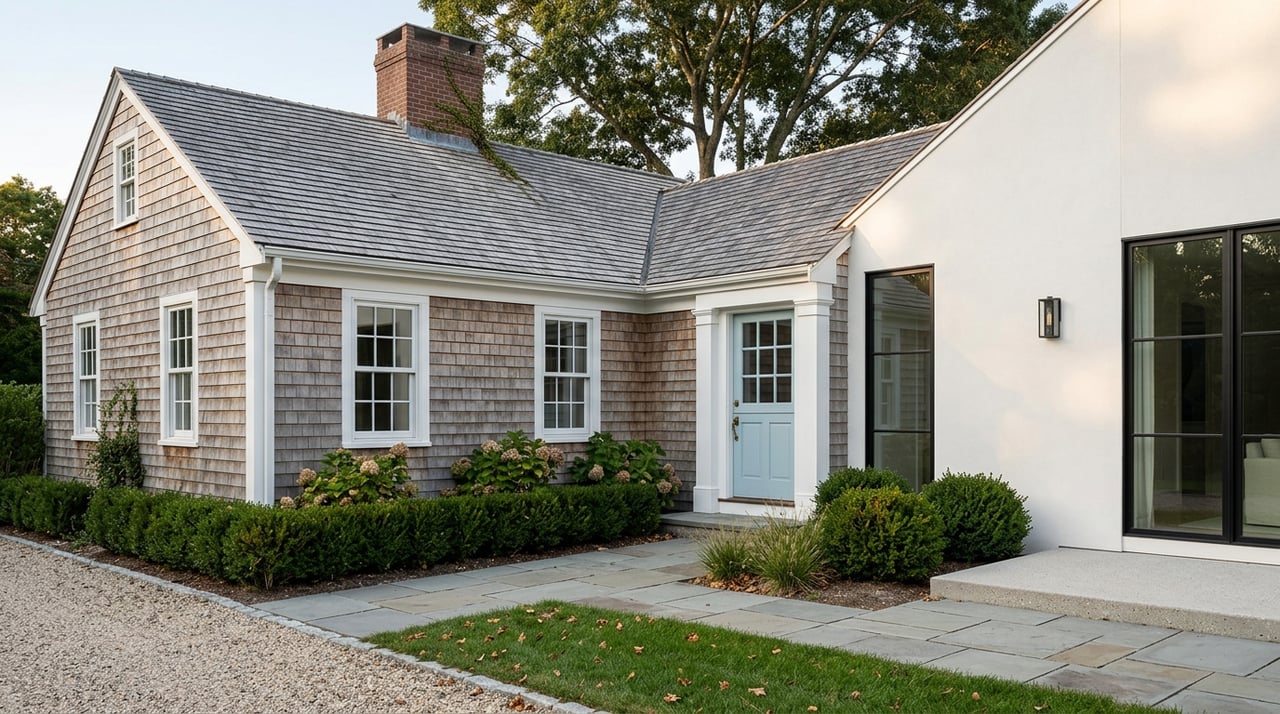
If you are choosing between a brand-new home and a historic property in Southampton, the right answer is rarely just about style. In this market, the age of a home affects how you live in it, how you maintain it, and what approvals may shape your plans. The good news is that both paths can make sense when you understand the tradeoffs clearly. Let’s dive in.
Southampton Market Context
Southampton sits in a premium housing market where details matter. Official Census data identifies Southampton as a town in Suffolk County, and the latest Census profile shows an owner-occupied housing rate of 82.4% with a median owner-occupied home value of $928,100.
The housing stock is also varied. The Town of Southampton housing plan reported 43,826 housing units as of 2018, with nearly 69% built in the second half of the 20th century and 13.7% built since 2000. That mix helps explain why buyers here often compare classic older homes with newer builds on the same shortlist.
Price points reinforce how important condition and approvals can be. In Q2 2025, the Hamptons median sales price was $1.895 million, while the Southampton submarket median reached $2.1475 million. In a market at this level, presentation, paperwork, and future flexibility can matter as much as the home’s age.
Historic Homes in Southampton
Historic homes in Southampton appeal to buyers who want architecture with a story. Southampton Village’s historic-district guide notes that the village was first settled in 1640 and includes a wide range of historic resources, from early dwellings to late-Victorian and early-20th-century summer houses.
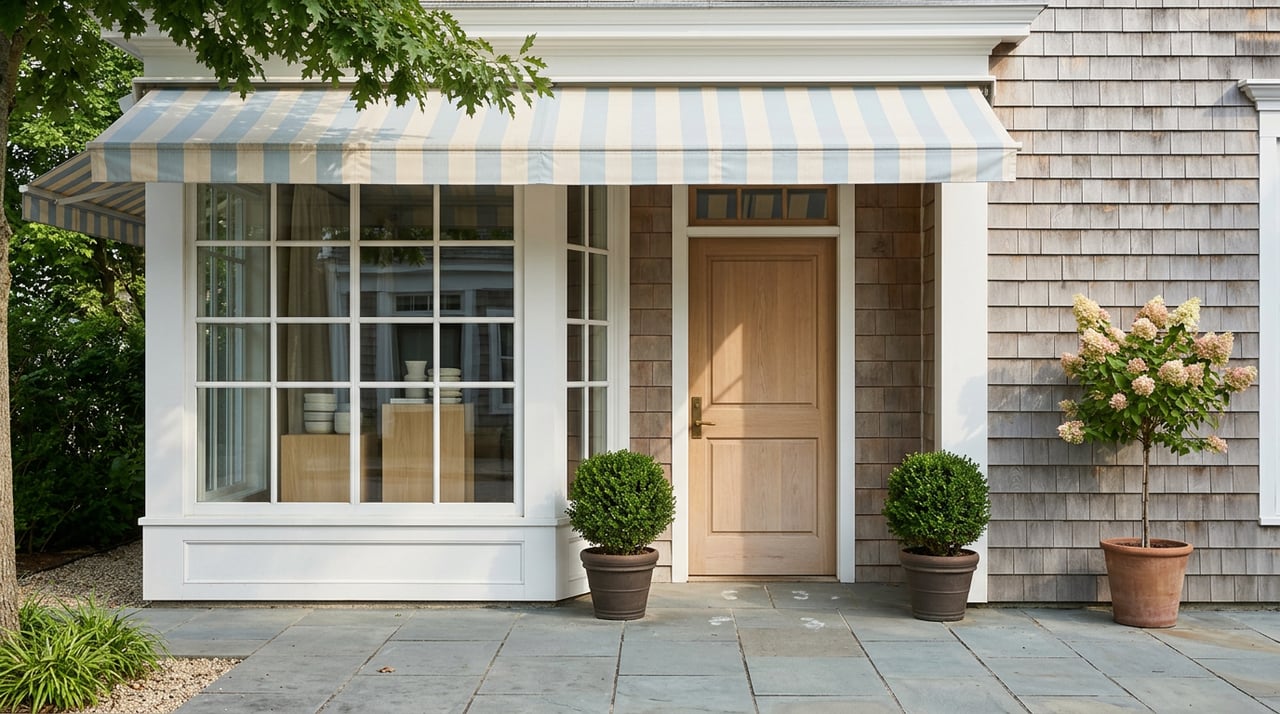
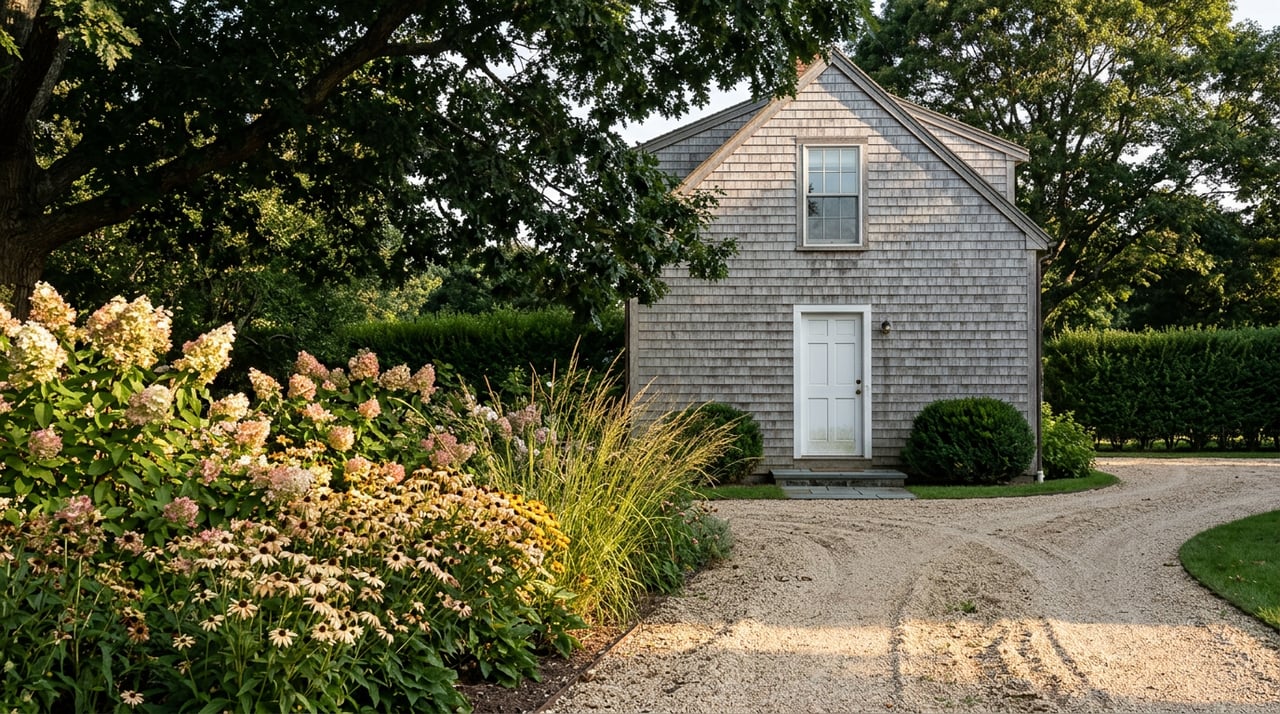
That character often shows up in features you cannot easily recreate. You may find original proportions, older craftsmanship, mature landscaping, and settings that feel closely tied to the village’s long history. For many buyers, that sense of place is the main reason to choose historic over new.
What makes historic homes appealing
Historic homes can offer benefits that go beyond aesthetics:
- Distinct architectural character
- Established settings and mature landscapes
- A sense of continuity with Southampton’s built history
- Appeal for buyers who value authenticity over a fully turnkey finish
In Southampton Village, the preservation framework is also intended to protect and enhance the village. The village guide says historic districts are meant to stabilize and often enhance property values, though that should be understood as preservation rationale, not a promise of future appreciation.
What to watch for with historic homes
The tradeoff is oversight and upkeep. In the Southampton Village historic district, the Board of Architectural Review and Historic Preservation reviews new construction, demolition, and alterations. A building permit for exterior work cannot be issued without a Certificate of Appropriateness.
The board reviews design, scale, massing, materials, color, and the effect on landscape screening and privacy. That means even thoughtful updates may require more planning than you expect, especially if you want to change windows, siding, exterior details, or visible additions.
Maintenance can also be more specialized. The village guide points owners toward preservation resources for window rehabilitation, wood repair, and restoration work, which signals that older homes may require craftspeople and materials that differ from a standard renovation.
New Construction in Southampton
New construction offers a very different kind of value. If your priority is modern layouts, newer systems, and fewer immediate repair needs, a newly built home may feel like the simpler choice.
That said, “new” does not mean “easy” in Southampton. The Town of Southampton Department of Land Management oversees building and zoning, along with environmental review, flood damage prevention, freshwater wetlands, and coastal erosion hazard areas. So while a new home can deliver convenience once complete, getting there can involve a detailed review process.
What new construction can offer
For many buyers, new construction brings practical advantages:
- Modern floor plans and room flow
- Newer mechanical, electrical, and plumbing systems
- Energy-compliance documentation as part of the approval process
- Potentially less near-term maintenance than an older home
- A more turnkey experience when permits and closeouts are in order
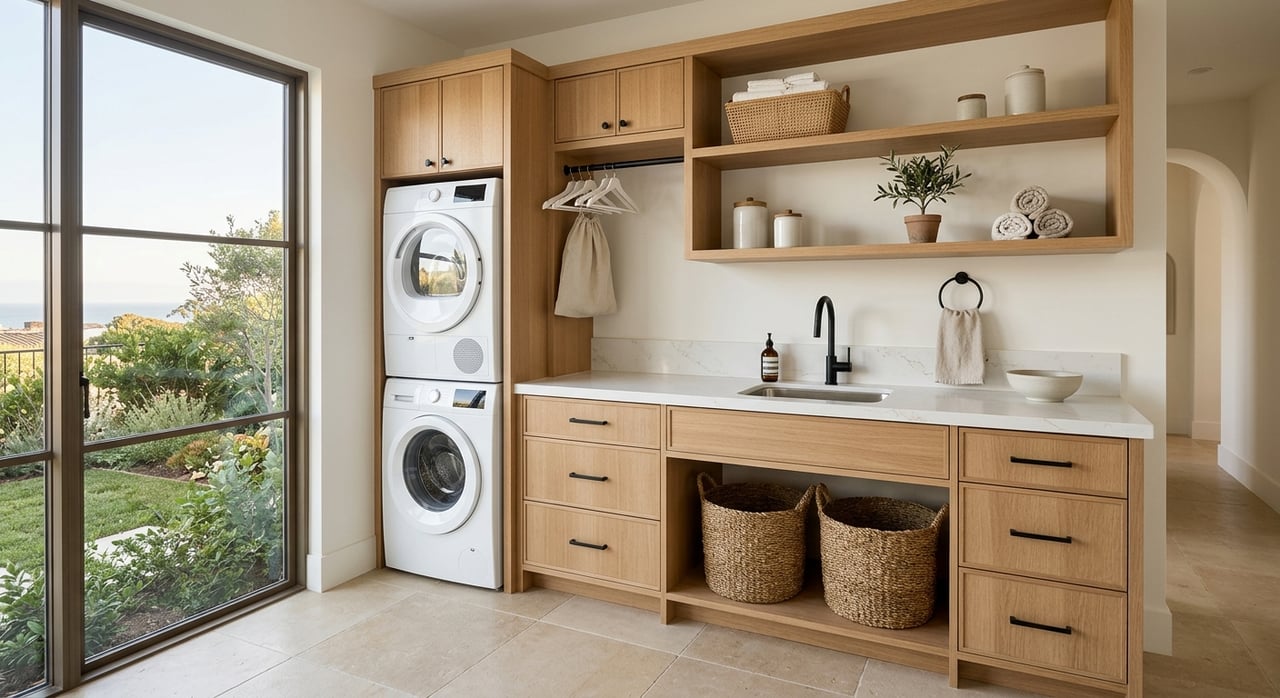
In a premium market like Southampton, a well-executed new build can also align closely with what today’s buyers expect. Clean finishes, open living spaces, and updated infrastructure can support strong market appeal.
What to watch for with new construction
The approval path can be extensive. The town’s single-family dwelling checklist requires a survey, professionally prepared plans, Suffolk County Health Department approval, energy-compliance documentation, stormwater and driveway-access determinations, and separate electrical and plumbing filings.
Depending on the site, additional approvals may also be needed. These can include coastal erosion permits, wetlands or conservation approvals, Architectural Review Board review, fill composition certification, APOD documentation, or a zoning variance.
If the property is in Southampton Village, the local Building Department enforces the Uniform Fire Prevention and Building Code. And if the home is inside the village historic district, new construction still requires a Certificate of Appropriateness. So even a brand-new house can come with location-specific review that affects timing and design.
How Location Changes the Decision
One of the most important facts in Southampton is that the exact address can change the process materially. Southampton Village and the broader Town of Southampton do not use the same review structure, so two homes with similar styles may involve very different approval paths.
This matters for both historic homes and new construction. A house inside the village historic district may face one set of design review requirements, while a property elsewhere in town may be shaped more by zoning, wetlands, flood, stormwater, or coastal review.
For buyers, this means the decision is not just old versus new. It is also village versus town, historic district versus non-historic area, and constrained site versus straightforward site.
A Practical Buyer Checklist
Before you fall in love with either type of home, it helps to ask a few direct questions. In Southampton, good due diligence can save time, stress, and costly surprises.
Questions for a historic home
Ask these questions when you are considering an older or potentially protected property:
- Is the property inside Southampton Village’s historic district?
- Is it in another town-designated historic area?
- What approvals already exist for prior exterior work?
- Would future changes require a Certificate of Appropriateness?
- Is the home built before 1941?
That last point matters because in Southampton Town, the Landmarks and Historic Districts Board reviews demolition and construction permits for structures built before 1941 or recognized historic resources. A pre-1941 home may carry an added layer of review even outside the village framework.
Questions for a newer home
For new construction or recently built homes, focus on documentation and closeout status:
- Which permits have already been issued and closed out?
- Are flood-related items documented where applicable?
- Are wetlands, coastal erosion, and stormwater items resolved where applicable?
- Is energy-compliance documentation complete?
- Were any variances or board approvals required?
These questions help you understand whether the home is truly turnkey or whether unresolved items may still follow the property.
Which Option Fits Your Goals?
A historic home may be the better fit if you care most about architectural character, established surroundings, and a sense of place. It can also work well if you are comfortable with more oversight and understand that exterior changes may involve a formal review process.
A new construction home may be the better fit if you want a modern layout, newer systems, and a cleaner maintenance picture in the near term. It can be especially attractive if the approvals, environmental reviews, and permit closeouts are already in place.
In Southampton, neither option is automatically better. The best choice depends on how you weigh charm, flexibility, upkeep, and the review process tied to the property’s location.
Why Guidance Matters in Southampton
Because Southampton is a premium market with layered local review, the details behind a listing matter. Two homes at similar price points can offer very different ownership experiences depending on age, district status, permits, and site conditions.
That is why practical local guidance is so valuable here. When you understand the questions to ask before you buy, you can move with more confidence and avoid surprises after closing.
Whether you are drawn to a classic village property or a newly built home with modern systems, a clear view of approvals, condition, and long-term fit will help you make the right call. If you want help comparing options in Southampton, schedule a market consultation with Bill Williams.
FAQs
What is the main difference between new construction and historic homes in Southampton?
- New construction often offers modern layouts and newer systems, while historic homes typically offer more architectural character and may involve more oversight for exterior changes.
Do historic homes in Southampton Village need special approvals?
- Yes. In the Southampton Village historic district, exterior alterations, demolition, and new construction require review by the Board of Architectural Review and Historic Preservation, and exterior building permits cannot be issued without a Certificate of Appropriateness.
Do new homes in Southampton still face permit review?
- Yes. New homes in the Town of Southampton may require surveys, plans, health department approval, energy-compliance documents, stormwater review, and site-specific approvals such as wetlands, coastal erosion, or zoning-related review.
Why does the exact Southampton address matter when buying a home?
- Southampton Village and the broader Town of Southampton use different review processes, so the address can affect what approvals apply, how changes are reviewed, and how simple or complex future work may be.
What should you ask before buying a pre-1941 home in Southampton?
- You should ask whether the property may be subject to review by the Southampton Town Landmarks and Historic Districts Board, which reviews demolition and construction permits for structures built before 1941 or recognized historic resources.