Wondering whether your Bridgehampton home should sit empty for the season or work for you? It is a smart question, especially in a market where summer demand can be strong but the rules, timing, and upkeep can quickly shape your bottom line. If you are weighing income potential against the effort involved, this guide will help you think through the real tradeoffs so you can make a confident decision. Let’s dive in.
Bridgehampton rental demand is real
Bridgehampton sits within the Town of Southampton, where the summer population can rise to twice the year-round level or more. That seasonal surge helps support a rental market that is active, high-priced, and closely tied to vacation-home demand.
Current data points show strong headline pricing, but not a one-size-fits-all market. AirDNA reports 125 active short-term rental listings, 49% occupancy, an average daily rate of $1,958, and about $61,000 in annual revenue per active listing. Broader rental snapshots are also elevated, with Realtor.com showing a median rent of $85,000 and Zillow showing an average rent of $65,000 across a wide range of listings.
The key takeaway is simple: Bridgehampton can be a rewarding rental market, but performance depends heavily on your home, your timing, and your operating plan. A great location helps, but it is not the only factor.
Southampton rules come first
Before you think about pricing, marketing, or guest demand, you need to understand the Town of Southampton rental rules. In this market, compliance is not a side issue. It is the starting point.
Rental permits are required
The Town says any home rented for any period of time requires a rental permit. It also states that the minimum rental stay under the code is 14 days, and rentals for less than that are considered transient rentals and are not allowed.
That 14-day rule matters because it shapes the entire strategy. If you were thinking about frequent weekend or one-week bookings, that approach does not fit Southampton’s rules for a whole-house rental.
You should not advertise first
The Town also says advertising, listing, or showing a house for rent without a permit can trigger violations. Those consequences can include suspension or revocation of rental rights for two years and an in-violation fee.
That means the order matters. Get clear on permit status before you bring the property to market. In a seasonal area like Bridgehampton, losing time early in the year can affect your whole season.
Permits are detailed and time-sensitive
The application is not a quick form. The Town requires owner and agent information, tenant term, floor plans for each level, a survey showing buildings and parking, certificates of occupancy or compliance, smoke and carbon monoxide documentation, and refuse-removal information.
The standard permit fee is $400, and permits are renewable every two years. The Town says a complete application usually takes about 1 to 3 weeks to issue, or 2 to 4 weeks during the busy summer season.
There is a limited room-rental exception
The Town provides a narrow exception for an owner-occupied single-family home. If you continue living in the home, you may rent up to two bedrooms to no more than two renters or boarders total without a permit, as long as kitchen, living, and entrance facilities are shared.
For most Bridgehampton owners considering seasonal income, the more common decision is still whether to pursue a full-house permitted rental. But if you live in the home and want a smaller-scale option, this exception may be relevant.
The best question is not "can it rent?"
Most Bridgehampton homes with the right condition and timing can attract interest. The better question is whether your home can rent at a rate that justifies the work, wear, and management required.
Pricing varies widely by property
Current active Bridgehampton rental listings show a very wide spread. Smaller July rentals can be around $20,000 to $35,000, while many 4- to 6-bedroom pool homes fall roughly between $40,000 and $90,000 for July or August-Labor Day periods.
Larger homes can reach roughly $120,000 to $200,000 for prime August windows, and trophy properties can climb much higher. That range tells you something important: the market rewards specific features, not just the Bridgehampton name.
Amenities drive pricing power
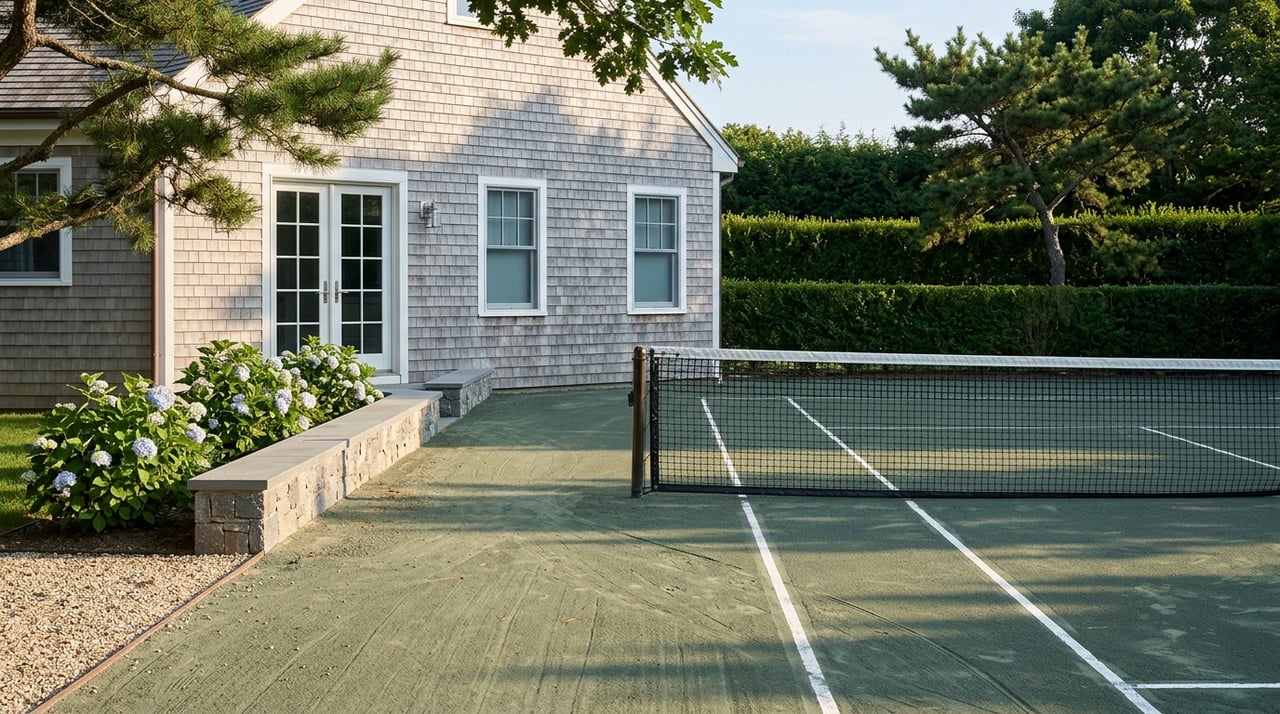
Repeated listing patterns point to the features renters expect in this segment. Pools, outdoor living space, dependable parking, garage space, acreage, and strong overall presentation show up again and again.
Renovation level and bedroom count also matter. So does the exact rental window, since month-specific demand in July, August, and August-Labor Day can shape value.
Occupancy is not the whole story
AirDNA's 49% occupancy figure may sound modest at first glance, but it reflects a market that is more seasonal and rate-driven than steady year-round. In other words, owners often make the math work through higher pricing during prime demand periods rather than by filling every possible date.
That is why pricing strategy matters so much. A home that is well-positioned for its season, stay length, and amenity package may perform very differently from a similar house with a weaker setup.
What makes renting worth it
If you are trying to decide whether to rent out your Bridgehampton home, it helps to look at the decision through a practical lens.
Renting may make sense if:
- Your home can meet the Town's permit requirements before the season starts
- The property supports a clear price band based on size, condition, and amenities
- You are comfortable with the added wear, scheduling, and service demands
- You have local support for cleaning, repairs, trash, and guest needs
- You want to offset ownership costs during part of the year
Renting may be less appealing if:
- You use the home heavily during peak summer weeks
- The permit timeline or documentation is still unresolved
- The home needs upgrades to compete with other listings
- You are not prepared to respond quickly to maintenance or complaint issues
- The expected rent does not clearly outweigh the management burden
Operations can make or break the experience
A profitable rental is not just about getting a signed lease. It is also about how well the home runs while someone else is living there.
Turnover and upkeep require planning
Higher-turnover rentals create more frequent cleaning and maintenance needs. Good operating systems typically include room-by-room cleaning checklists, linen rotation, before-and-after photos, and a damage log.
Even with longer minimum stays, seasonal rentals still require organized handoffs. The smoother the transition between tenants, the better you protect both the guest experience and the property itself.
Local responsiveness matters in Southampton
Southampton code enforcement investigates issues such as overcrowding, parking complaints, noise complaints, litter and debris, and rental-law permit violations. The Town operates seven days a week with extended summer hours.
That makes local responsiveness essential. If an issue comes up, you may need someone who can step in quickly rather than manage it from a distance.
A strong house guide helps everyone
A practical home guide can reduce confusion and prevent avoidable calls. Useful topics include Wi-Fi details, heating and hot-water instructions, trash and recycling rules, parking guidance, entry instructions, emergency contacts, and what to do if something breaks.
For a seasonal tenant, clarity feels like service. For you as the owner, it can help reduce friction and protect the home.
A simple framework for your decision
If you are still on the fence, start with five questions:
- Can your home clear the permit process before the season begins?
- Does a whole-house rental make more sense than the owner-occupied room-rental exception?
- Does your amenity package support the price band you want?
- Who will handle cleaning, trash, parking, grounds, pool care, and repair calls?
- Can you respond quickly if a complaint or property issue arises?
If you can answer those questions with confidence, renting may be a smart move. If several answers are still uncertain, it may be worth pausing until the property, paperwork, or support system is better aligned.
The Bridgehampton answer is usually strategic
In Bridgehampton, the question is rarely just whether there is demand. The demand is there, especially during the summer season. The real question is whether your home is positioned to rent legally, competitively, and smoothly enough to make the income worthwhile.
That is where local judgment matters. A thoughtful rental strategy can help you preserve the property, meet the Town's rules, and target the right season and price window without creating unnecessary stress.
If you are considering a seasonal or year-round rental strategy for your Bridgehampton home, Bill Williams can help you evaluate pricing, positioning, and property management support with practical local guidance.
FAQs
What is the minimum rental period for a Bridgehampton home?
- In the Town of Southampton, the minimum rental stay is 14 days for a home rental, and stays shorter than that are considered transient rentals and are not allowed.
Do you need a permit to rent out a home in Bridgehampton?
- Yes. The Town says any home rented for any period of time requires a rental permit, except for the limited owner-occupied room-rental exception.
Can you list a Bridgehampton rental before the permit is issued?
- No. The Town says advertising, listing, or showing a house for rent without a permit can trigger violations and other penalties.
How long does a Southampton rental permit take?
- The Town says a complete application usually takes about 1 to 3 weeks, or 2 to 4 weeks during the busy summer season.
What affects rental pricing for a Bridgehampton home?
- Pricing is typically shaped by bedroom count, pool and outdoor amenities, lot size, renovation level, parking, and the exact rental period, such as July or August-Labor Day.
Is Bridgehampton a strong seasonal rental market?
- Yes, but it is highly seasonal and not uniform. Current data suggests strong rates and meaningful demand, though results vary widely based on the home and how it is managed.