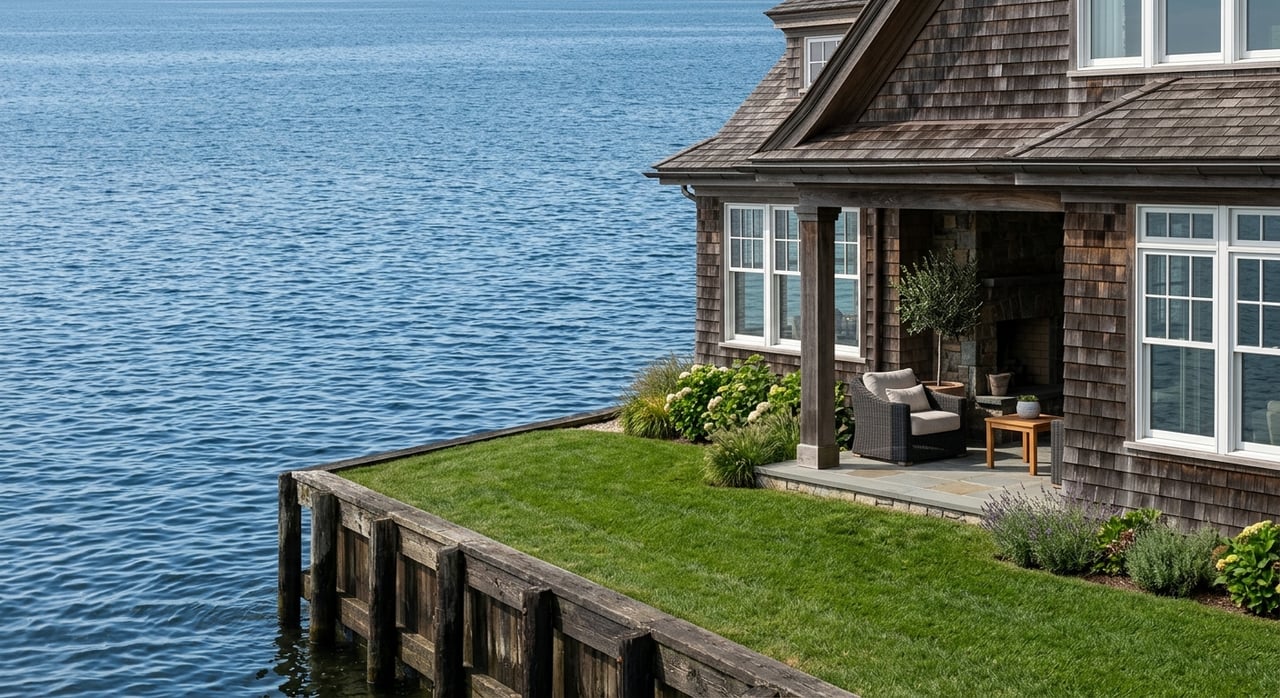
If you are drawn to Sag Harbor, chances are you want more than a house near the water. You want a place where harbor views, a walkable village center, and a real maritime backdrop all shape daily life. The good news is that Sag Harbor offers exactly that, but the experience can vary a lot depending on where you buy and what kind of lifestyle you want. Let’s dive in.
Why Sag Harbor Feels So Distinct
Sag Harbor is a compact incorporated village in Suffolk County with about 2.3 square miles and 3.3 miles of shoreline along Sag Harbor Bay and Sag Harbor Cove. It is split roughly between Southampton Town and East Hampton, which adds to its unique identity within the Hamptons.
What stands out most is how closely the waterfront and village center connect. This is not a place where the harbor sits off to one side while shops and restaurants cluster somewhere else. In Sag Harbor, the waterfront is part of the village rhythm, and that helps create a lifestyle that feels active, social, and rooted in place.
The village also has a year-round population of 2,772 based on the 2020 census, excluding second-home owners. Official village materials note that Sag Harbor is popular with full-time residents, seasonal visitors, and weekenders, which helps explain why it feels lively in more than one season.
Waterfront Living Shapes Daily Life
In Sag Harbor, the waterfront is not just scenery. It influences how you move through the village, where you spend your time, and what kind of property may fit your goals.
Village marina facilities include a mooring field, A, B, and BB docks, Marine Park and Marine Park Basin, dinghy docks, and a transient dock. The Harbormaster oversees seasonal and transient dockage and moorings, and the official boating season runs from April 1 through October 31.
That boating calendar matters because it gives the harbor a clear seasonal pulse. Late spring through early fall tends to bring more movement around the docks and shoreline, while the year-round population helps keep the village active outside peak months.
Even if you are not a boat owner, the harbor can still be part of your routine. The village lists multiple public water access points, which means waterfront enjoyment is not limited to private ownership or marina users.
The Village Core Adds Walkability
One of Sag Harbor’s biggest advantages is its compact business district. Village documents describe this area as a concentration of retail, restaurants, accommodations, civic and cultural institutions, and residential homes.
That mix is what gives Sag Harbor its easy day-to-day flow. You can picture a morning coffee, errands, time by the harbor, and dinner plans all happening within the same general area. For many buyers, that blend of waterfront access and village convenience is the main draw.
The marina facilities are also described by the village as a short walk from shops, restaurants, and public bus transportation. If your ideal Hamptons lifestyle includes leaving the car parked more often, the harbor core is likely where that vision feels most natural.
Historic Character Is Protected
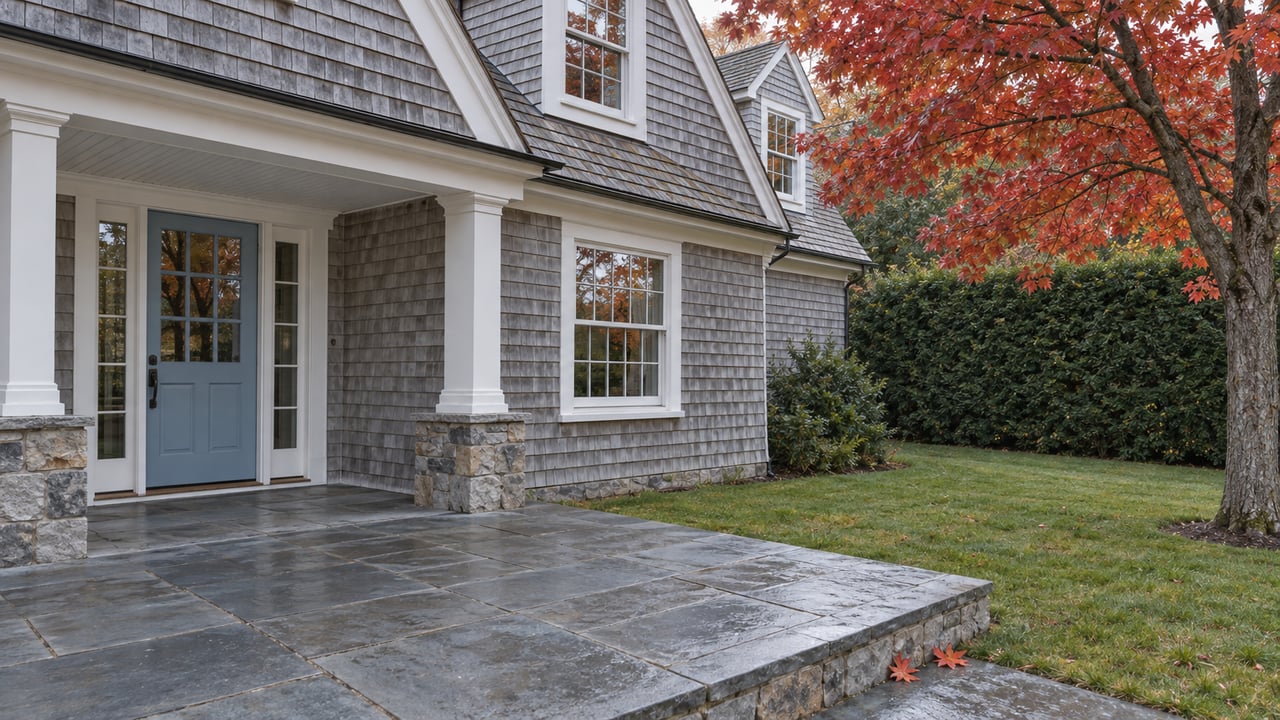
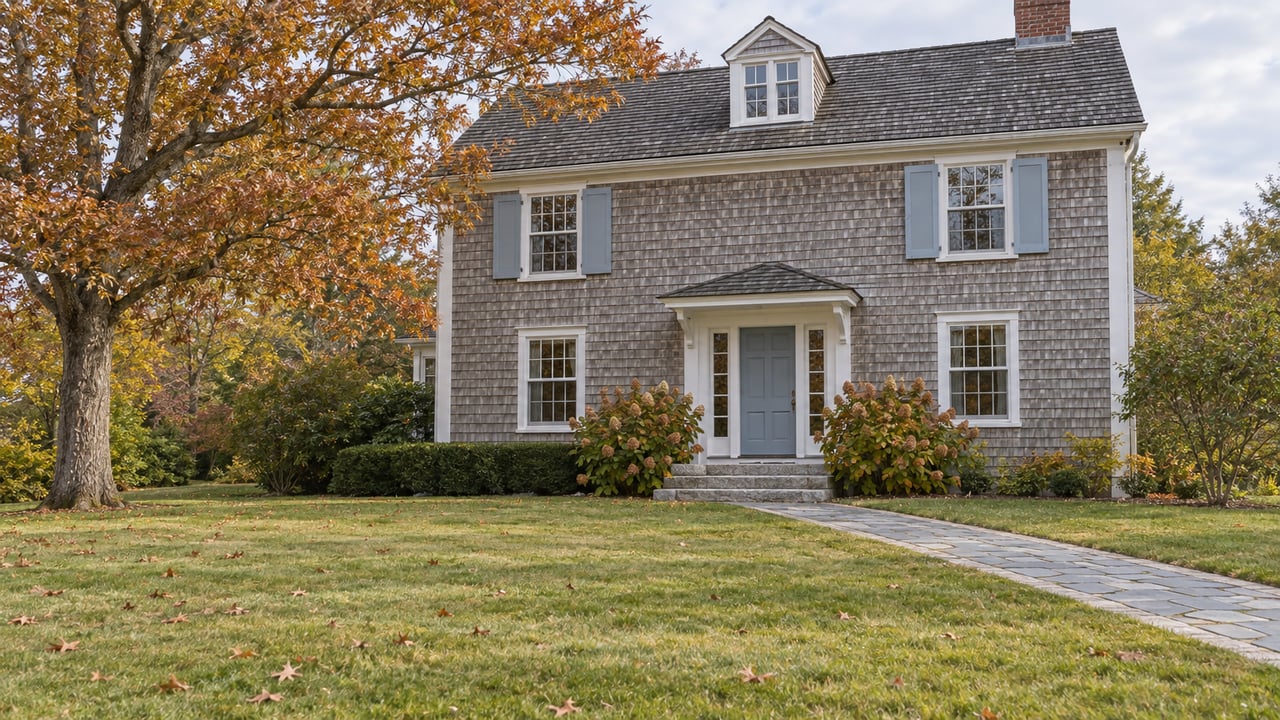
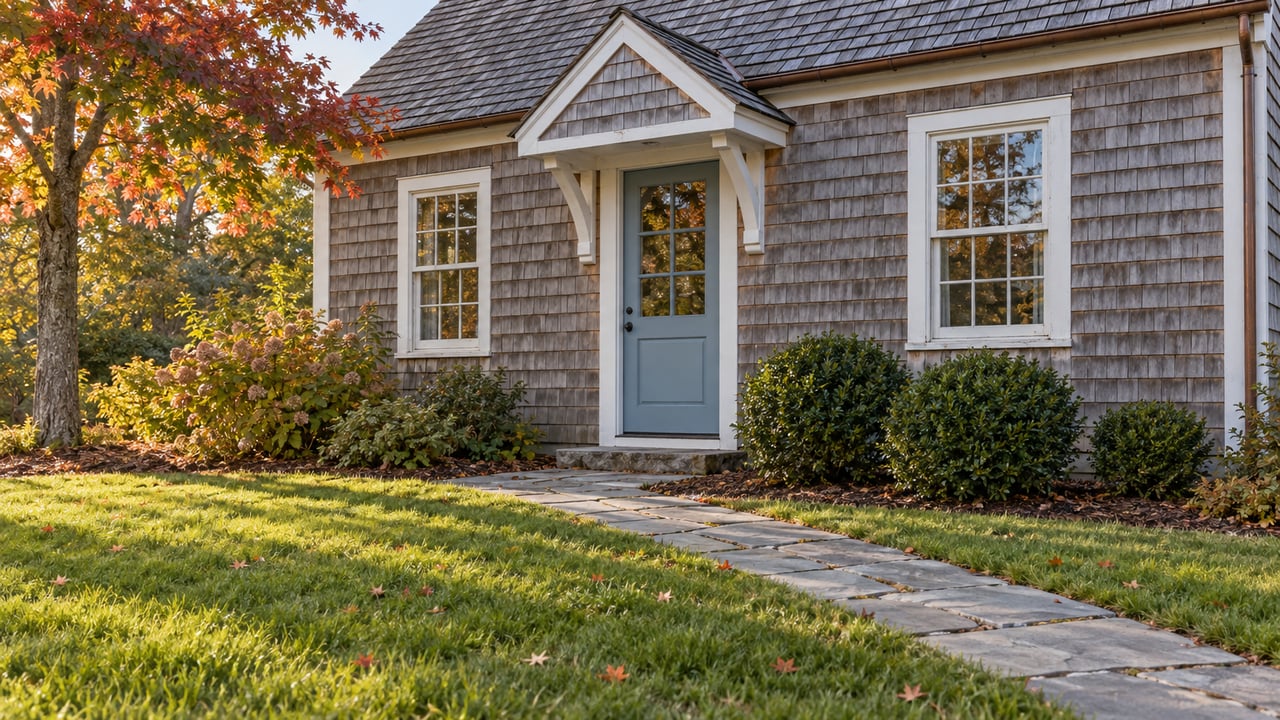
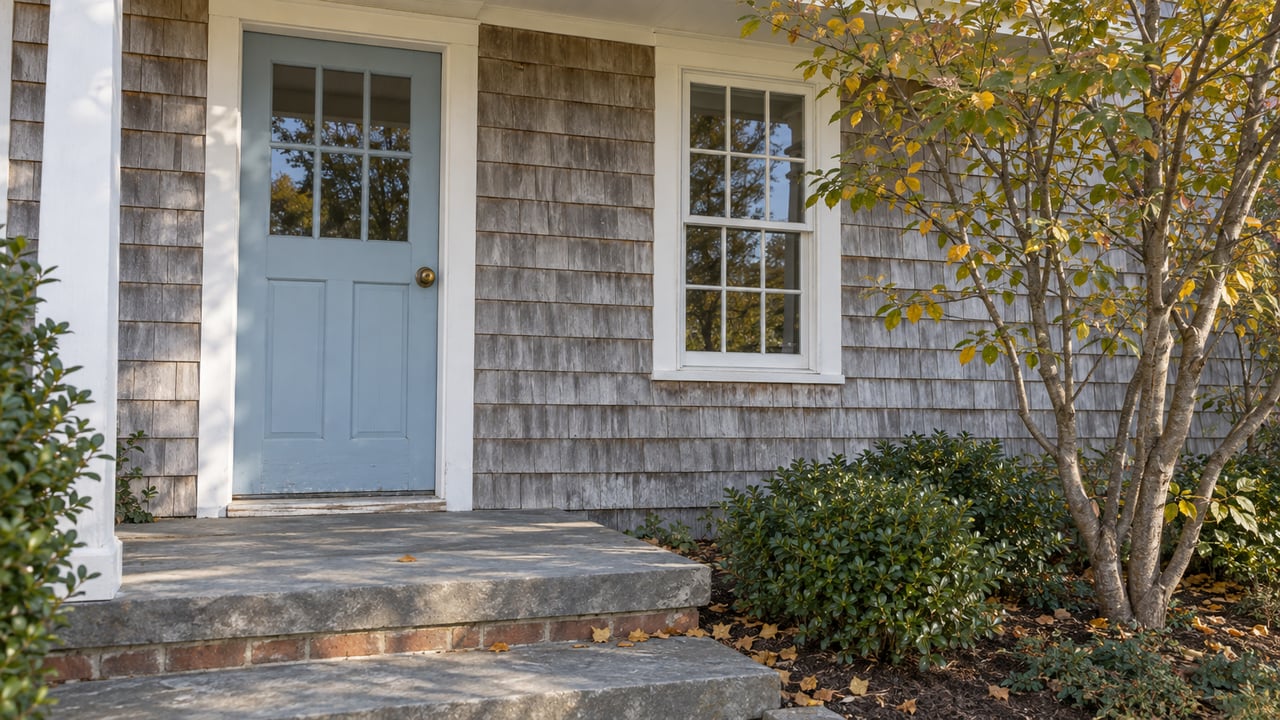
Sag Harbor’s visual identity is not accidental. Village and state waterfront materials describe it as a small-scale country village and seaport with whaling, shipping, and resort character, and much of the village, including the full business district, is listed on the National Register of Historic Places.
That historic setting helps explain why Sag Harbor feels so intact. The local historic-preservation board reviews alterations in the historic district to preserve village character, including waterfront accessibility and views.
For buyers, this matters in a practical way. If you love the charm, scale, and harbor-facing streetscape, those qualities are supported by real review standards. If you hope to make major exterior changes, you need to understand that the approval process may be more involved than in less regulated areas.
Waterfront Rules Matter More Here
In Sag Harbor, waterfront property is carefully shaped by zoning and overlay districts. The zoning map includes one-family residential, office, resort motel, village business, waterfront, and parks and conservation districts, along with historic, tidal-flood, waterfront-overlay, and Historically Black Beachfront Communities overlays.
The most important rule for many waterfront buyers is the Waterfront Overlay District. The village adopted a 25-foot, two-story limit for waterfront properties in that overlay, with limited exceptions, specifically to preserve waterfront viewsheds.
The overlay also reflects the village’s goal of maintaining public access to the waterfront and supporting a mix of water-dependent, commercial, and residential uses. In simple terms, Sag Harbor’s waterfront is not meant to develop in a free-form way. The rules are part of why the shoreline still feels visually coherent and publicly connected.
What Type of Buyer Fits Which Area
Different parts of Sag Harbor can support very different lifestyles. The best fit often comes down to whether you care most about walkability, boating access, or a more residential setting.
Buyers Who Want Walkability
If you want to be near shops, dining, and regular harbor activity, the areas nearest the harbor and village business district are the strongest conceptual match. These locations offer the most direct connection to the village core and the easiest access to the places many people enjoy most often.
That said, these same areas often sit within the historic-review and waterfront-regulation environment. You may gain convenience and atmosphere, but you should also expect more oversight when considering improvements.
Buyers Who Prioritize Boating
If your ideal day starts with getting out on the water, properties near the marina facilities, mooring field, and waterfront district are likely the most relevant. These locations put you closer to dockage, moorings, and the harbor activity that defines Sag Harbor’s maritime side.
The tradeoff is regulation. Where the Waterfront Overlay District and Historic District overlap, changes to a property may face added review, so a boat-first purchase often benefits from early due diligence.
Buyers Who Want A Residential Feel
If you prefer a quieter day-to-day setting, streets farther from the harbor in the one-family residential district may be the better conceptual fit. This is an inference from the zoning map, but it helps explain why some homes feel closely tied to the village social scene while others feel more private and domestic.
For many buyers, this balance is the key question. Do you want to step out into the harbor rhythm, or do you want to visit it easily while keeping a bit more distance from the center of activity?
Beaches, Access, And Local Practicalities
Havens Beach is the village’s only public bathing beach, which makes it an important part of local waterfront life. The village is also studying stormwater conveyance there to address water-quality concerns affecting both Havens Beach and Sag Harbor Bay.
Parking rules are part of the story too. Resident parking permits for the 2026 season allow all-day parking at Havens Beach, which shows how access can be shaped by local regulations and seasonal demand.
This may sound like a small detail, but it is actually useful for buyers. In Sag Harbor, lifestyle is tied not just to where the water is, but also to how public access, parking, and seasonal systems work in real life.
Water Quality Is Part Of The Conversation
If you are buying near the water, it helps to know that water quality is an active local issue. Village studies say Sag Harbor’s water is generally good, but it is affected by nitrogen pollution and fecal coliform tied to stormwater and onsite septic systems.
The village has highlighted mitigation work such as rain gardens and permeable pavers, and it directs residents to beach-water reporting for current conditions. For buyers, the takeaway is straightforward: waterfront living here is beautiful, but it also comes with a real civic focus on stewardship and infrastructure.
That is often a positive sign for long-term owners. It shows a village paying attention to the health of its shoreline, beach areas, and harbor environment.
Why Sag Harbor Appeals In Every Season
Some Hamptons destinations feel defined almost entirely by summer. Sag Harbor has a strong seasonal rhythm, but official village data suggests it functions as both a seasonal and year-round place.
The harbor facilities, beach access, and parking patterns point to a busier late-spring-through-early-fall period. At the same time, the year-round population and compact village center help sustain activity beyond peak months.
For you as a buyer, that can matter a lot. A home in Sag Harbor may serve as a summer escape, a weekend base, or a fuller year-round lifestyle depending on where you buy and how closely you want to plug into the village center.
What To Keep In Mind Before You Buy
Sag Harbor rewards buyers who look beyond curb appeal and ask practical questions early. Because zoning, overlays, and historic review can affect what you can change, the location of a property matters just as much as the property itself.
A smart buying process may include questions like these:
- Is the property in the Historic District?
- Does it fall within the Waterfront Overlay District?
- Are there height or story limits that could affect future plans?
- How close is it to marina facilities, public water access, or the village business district?
- Does your lifestyle call for walkability, boating access, or a quieter residential setting?
In a village this compact, small geographic differences can have a big effect on daily use and long-term flexibility. That is why local guidance matters so much here.
If you are weighing Sag Harbor as a primary home, second home, seasonal rental opportunity, or long-term investment, working with someone who understands both the lifestyle and the regulations can make the process much clearer. To talk through your options in Sag Harbor and the wider Hamptons market, schedule a market consultation with Bill Williams.
FAQs
Is Sag Harbor a seasonal village or a year-round place?
- Official village information suggests it is both. Sag Harbor is popular with year-round residents, seasonal visitors, and weekenders, and the 2020 census counted 2,772 year-round residents excluding second-home owners.
Can you enjoy the Sag Harbor waterfront if you do not own a boat?
- Yes. The village lists multiple public water access points, and Havens Beach is the village’s public bathing beach.
What should buyers know about Sag Harbor waterfront property rules?
- Waterfront properties in the Waterfront Overlay District are subject to a 25-foot, two-story limit with limited exceptions, and some properties may also be affected by historic-district review.
Which part of Sag Harbor best fits a walkable lifestyle?
- The harbor core and village business district are the strongest fit if you want easy access to shops, restaurants, and waterfront activity.
What kind of Sag Harbor location best fits a quieter residential lifestyle?
- Streets farther from the harbor in the one-family residential district may offer a more residential feel, based on the village zoning map.
Why does Sag Harbor’s waterfront feel so carefully preserved?
- Village zoning, the Waterfront Overlay District, and historic-preservation review all help protect views, public access, and the small-scale character of the waterfront area.