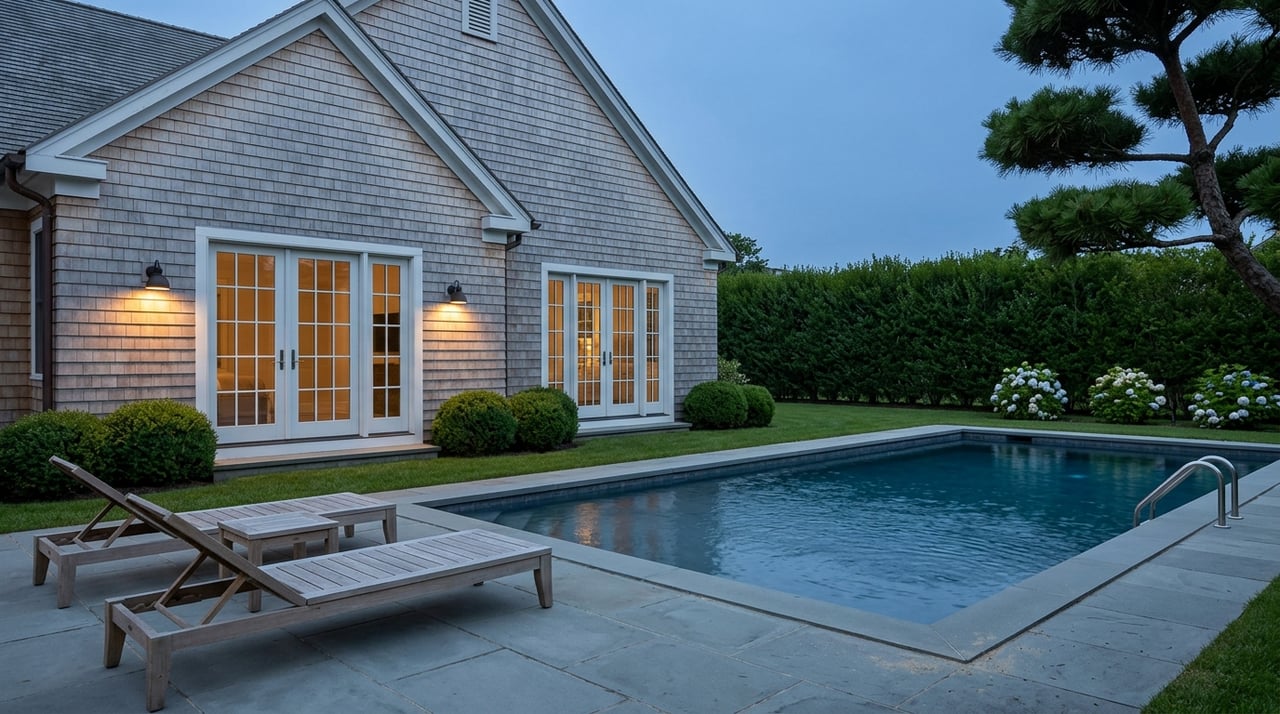
Thinking about a second home in Amagansett? It can be an exciting move, but in a market this small, coastal, and high-value, the right purchase depends on more than finding a beautiful house. You need to understand how you plan to use the property, what local rules may affect that use, and which carrying costs matter most over time. If you ask the right questions early, you can buy with more clarity and fewer surprises. Let’s dive in.
Why Amagansett Feels Different
Amagansett is part of the Town of East Hampton, a 69-square-mile peninsula with 131 miles of coastline and 16,530 acres of protected open space. Public data also show a very small housing market with 821 residents, 1,521 housing units, a median owner-occupied value of $1.67 million, and an 80.3% homeownership rate.
For you as a second-home buyer, that points to a market shaped by coastline, privacy, and limited land rather than dense year-round housing. It also helps explain why homes here are often evaluated as lifestyle assets as much as real estate investments.
Public profile data show a 61-minute average commute, roughly three cars per household, and a large share of residents working from home. That suggests Amagansett functions more like a car-oriented seasonal market than a typical commuter suburb.
Start With Your Real Use Case
Before you focus on finishes or square footage, ask yourself how you will actually use the home. Will it be a quiet seasonal retreat, a long-weekend base, a part-time remote-work home, or a property you may also rent out when you are away?
That question matters because in Amagansett, value is closely tied to use. A home that feels perfect for private summer living may work very differently if you also want rental flexibility, easy beach logistics, or lower-maintenance ownership.
Ask These First Questions
- How many weeks or months will you personally use the home each year?
- Do you want the option to rent seasonally?
- How important is beach parking or beach driving access to your lifestyle?
- Are you comfortable managing permits, registrations, and updates if needed?
- Do you want a more secluded setting or easier access to village-style conveniences nearby?
Clear answers here make every later decision easier, from location choice to budget planning.
How Important Is Rental Flexibility?
Many second-home buyers want at least the option to rent, even if rental income is not the main goal. In East Hampton Town, that choice comes with real administrative requirements.
Town rental registry materials state that owners who rent residential properties by the week, month, season, or year must register and obtain a Rental Registry Number. The Town says the registry helps enforce rules related to short-term rentals, share houses, overcrowding, and unsafe conditions.
For accessory dwelling units, rental permits must be renewed annually with landlord and tenant information, a signed lease, and a fee. The Town also states that permits are required even when a family member occupies the accessory apartment, and a signed, notarized update form must be filed every time tenancy changes.
The practical takeaway is simple: rental use is not passive. If you plan to rent your second home, you should go in expecting registration, updates, and ongoing compliance work.
Questions To Ask About Rental Plans
- Is the home currently set up for the type of rental use you want?
- Has the property been properly registered or permitted for past rental activity?
- Are there any occupancy or legal-use issues that could affect future rentals?
- If there is an accessory apartment, what annual renewal and update requirements apply?
What Does Beach Access Really Mean?
In Amagansett, beach access is not just about being near the water. It is also about how you will park, whether permits are required, and what seasonal restrictions could shape your day-to-day use.
The Town lists a broad Amagansett beach network that includes Atlantic Avenue, Barnes Hole, Big Albert's Landing, Fresh Pond, Indian Wells, Lazy Point, Little Albert's Landing, and Napeague Lane. Facilities vary by location, and those differences can matter a lot depending on how you spend your time.
For example, Indian Wells is a lifeguarded ocean beach with resident-permit-only parking. Atlantic Avenue has lifeguards, ADA restrooms, a concession stand, daily paid parking on weekdays only, and vehicular access that requires a Town permit. Fresh Pond is a bay beach with picnic tables and trails but no swimming, while Lazy Point includes a launch ramp and requires a parking permit.
The Town states that a beach permit is required 24 hours a day, 365 days a year, and that resident and nonresident permits, along with drive-on passes, are issued through the Town Clerk. The Town also notes that beach driving between Indian Wells Beach and Atlantic Avenue Beach is seasonally prohibited from the Thursday before Memorial Day through September 15, from 10 a.m. to 6 p.m.
This is why beach access should be part of your buying analysis, not an afterthought. Your experience may depend as much on permit type and parking rules as it does on distance to the shoreline.
Beach Questions Worth Asking
- Which beaches are you most likely to use?
- Will you need resident or nonresident beach permits?
- Do you care about lifeguards, restrooms, concessions, trails, or launch access?
- Is drive-on beach access part of your lifestyle?
- How could seasonal driving restrictions affect your routine?
What Are The Real Carrying Costs?
Purchase price gets the most attention, but recurring and capital costs often shape the true ownership experience. In Amagansett, several practical categories deserve close review.
One major category is septic or wastewater work. Suffolk County's Septic Improvement Program offers grants of up to $20,000, New York State's septic replacement program can reimburse up to $25,000, and East Hampton Town's Septic Incentive Program offers up to $20,000 in the Water Protection District or up to $15,000 elsewhere. The Town notes that new construction is not eligible.
Those programs matter because septic replacement can be a major expense even when funding is available. If a property may need system work, that should be part of your budget discussion from the start.
Storm resilience is another key cost category. East Hampton's emergency preparedness pages direct residents to hurricane and storm-surge resources, and the Town notes that Atlantic hurricane season runs from June through November. In a coastal second-home market, flood and storm-surge review should be standard diligence.
Cost Questions To Ask Early
- What is the current septic status of the property?
- Could the home qualify for any local or county septic incentive programs?
- Is the property in the Water Protection District?
- What storm or surge exposure should be reviewed before closing?
- What permits, maintenance items, or compliance tasks may create future costs?
Is The Home Legally Ready For Your Plans?
This is one of the most important questions in any East Hampton Town purchase. The Town states that only structures with a Certificate of Occupancy may be legally occupied.
The Town also notes that a Rental Registry Number does not by itself make every structure legal for occupancy. That distinction matters, especially if you are buying a property with guest space, an accessory unit, or a history of seasonal rental use.
Before closing, buyers should confirm the Certificate of Occupancy, open permits, septic status, beach-permit needs, and whether the intended use is private, seasonal, or rental. If your planned use and the property's legal status do not line up, the cost and delay can be significant.
Should You Compare Amagansett To Nearby Alternatives?
Yes, especially if you are still defining your ideal second-home lifestyle. Amagansett offers a distinct mix of coastal access, privacy, and lower-density living, but it is not the only fit on the South Fork.
If you want a more concentrated village base, East Hampton Village may be worth comparing. The Village beach system includes Main Beach, Georgica Beach, Wiborg Beach, Egypt Beach, and Two Mile Hollow Beach. In 2026, nonresident full-season parking permits are $750, and daily nonresident parking at Main Beach Lot 2 and Two Mile Hollow Beach is $50 per day.
The Village also offers long-term parking and a seasonal shuttle from the lot to the Village Center and Main Beach. For some buyers, that more structured convenience is a better match than a quieter, more spread-out setting.
Montauk is another useful comparison if you want a farther-east option with strong outdoor appeal. The Town identifies Montauk beaches including Kirk Park, South Edison, East Lake or Gin Beach, South Lake, Culloden Point, Fort Pond Bay, Hither Woods, and West Lake Drive. The Town Clerk also notes a Montauk annex intended to bring services closer to residents and visitors.
If your priority is variety in beach and park access with a more casual rhythm, Montauk may feel like a better fit. If your priority is Amagansett's balance of privacy, coastline, and Hamptons second-home appeal, that difference often becomes clear once you compare your daily-use priorities.
A Smart Second-Home Checklist
When you are considering a second home in Amagansett, keep this checklist in view:
- Define whether the home is for private use, seasonal use, part-time remote work, or rental use
- Review beach access needs, permit requirements, and parking realities
- Confirm the Certificate of Occupancy and check for open permits
- Understand rental registry or accessory-unit requirements if renting is part of the plan
- Review septic condition and any possible grant or reimbursement eligibility
- Evaluate storm and flood diligence as part of normal coastal ownership planning
- Compare Amagansett with East Hampton Village or Montauk if your lifestyle goals are still evolving
Buying well in Amagansett usually comes down to matching the property to the way you actually want to live. The closer that match is, the stronger your long-term enjoyment and confidence tend to be.
A second home here should make your life easier, not more complicated. If you want practical guidance on how specific properties line up with beach access, rental goals, legal use, and long-term ownership costs, Bill Williams can help you evaluate the details with local perspective.
FAQs
What should you ask before buying a second home in Amagansett?
- Ask how you plan to use the home, whether you want rental flexibility, what beach access you need, whether the property has a valid Certificate of Occupancy, and what septic or storm-related costs may affect ownership.
What do East Hampton Town rental rules mean for an Amagansett second home?
- If you plan to rent a residential property by the week, month, season, or year, East Hampton Town says owners must register and obtain a Rental Registry Number, with added permit and update requirements for accessory dwelling units.
What should you know about Amagansett beach permits and parking?
- East Hampton Town states that beach permits are required 24/7 year-round, and access details vary by beach, including resident-permit-only parking at some locations and seasonal restrictions on beach driving in certain areas.
Why does a Certificate of Occupancy matter for an Amagansett purchase?
- East Hampton Town says only structures with a Certificate of Occupancy may be legally occupied, and a Rental Registry Number alone does not confirm that every structure on a property is legal for occupancy.
What extra costs should you budget for with an Amagansett second home?
- Beyond the purchase price, buyers often need to review septic or wastewater work, storm and flood diligence, beach permit needs, and any compliance work tied to legal occupancy or planned rental use.
How does Amagansett compare with East Hampton Village or Montauk for a second home?
- Amagansett tends to suit buyers focused on privacy, coastline, and lower-density living, while East Hampton Village may appeal more to buyers who want structured village convenience and Montauk may appeal more to buyers who want broader beach-park variety and a more casual setting.