Love Sag Harbor’s streets but not always sure what you’re looking at, house by house? You’re not alone. Between whaling-era cottages, classic Shingle Style homes, and modern bayfront builds, each property type signals a different lifestyle, maintenance reality, and approval process. This guide breaks down the major architectural styles you’ll see in Sag Harbor, what they mean for ownership and renovations, and the smart steps to take before you buy or sell.
How Sag Harbor Took Shape
Sag Harbor grew fast in the early to mid-19th century as a major whaling port. That boom created a tight village core of 18th- and 19th-century homes close to the harbor. As the East End evolved into a summer destination, Shingle Style houses, bungalows, and later modern waterfront homes filled in around the edges.
Today, the pattern is easy to spot once you know it. Historic cottages and captain’s houses sit closest to the village center. Larger Shingle Style homes, early 20th-century bungalows, and contemporary bayfront properties spread outward toward the water.
Spot the Styles on Every Street
Whaling-Era Cottages and Captain’s Houses
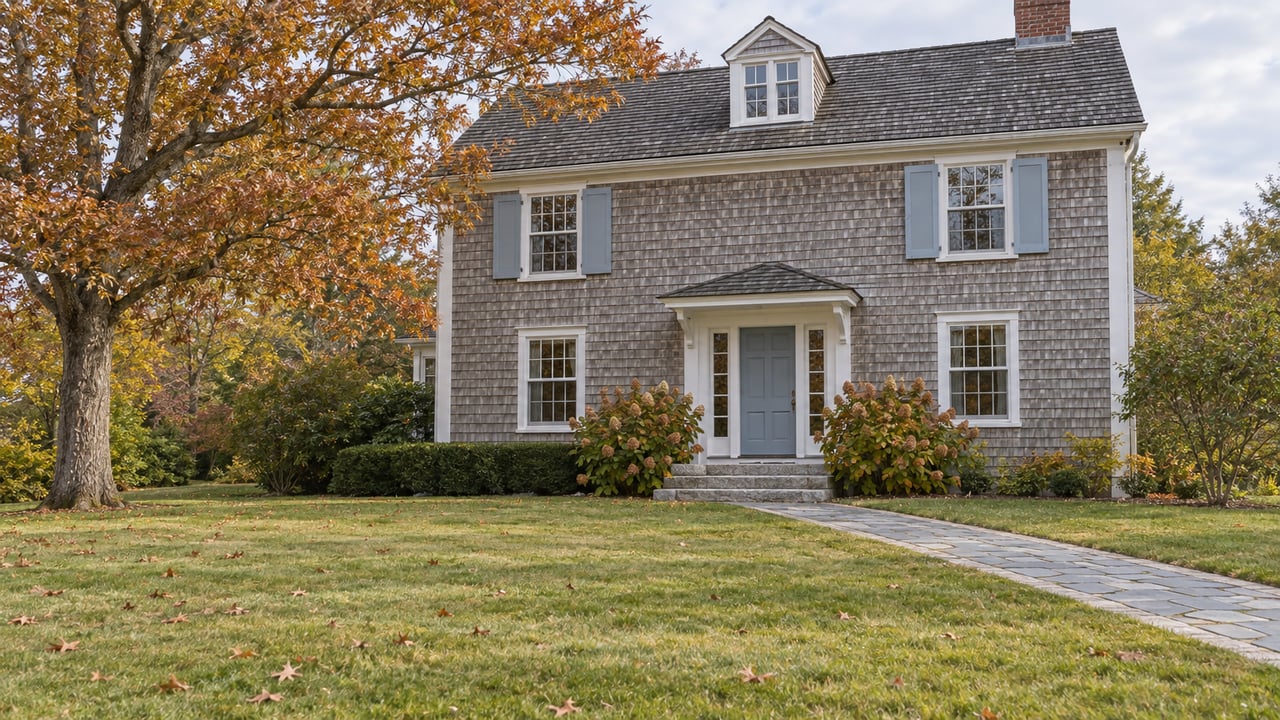
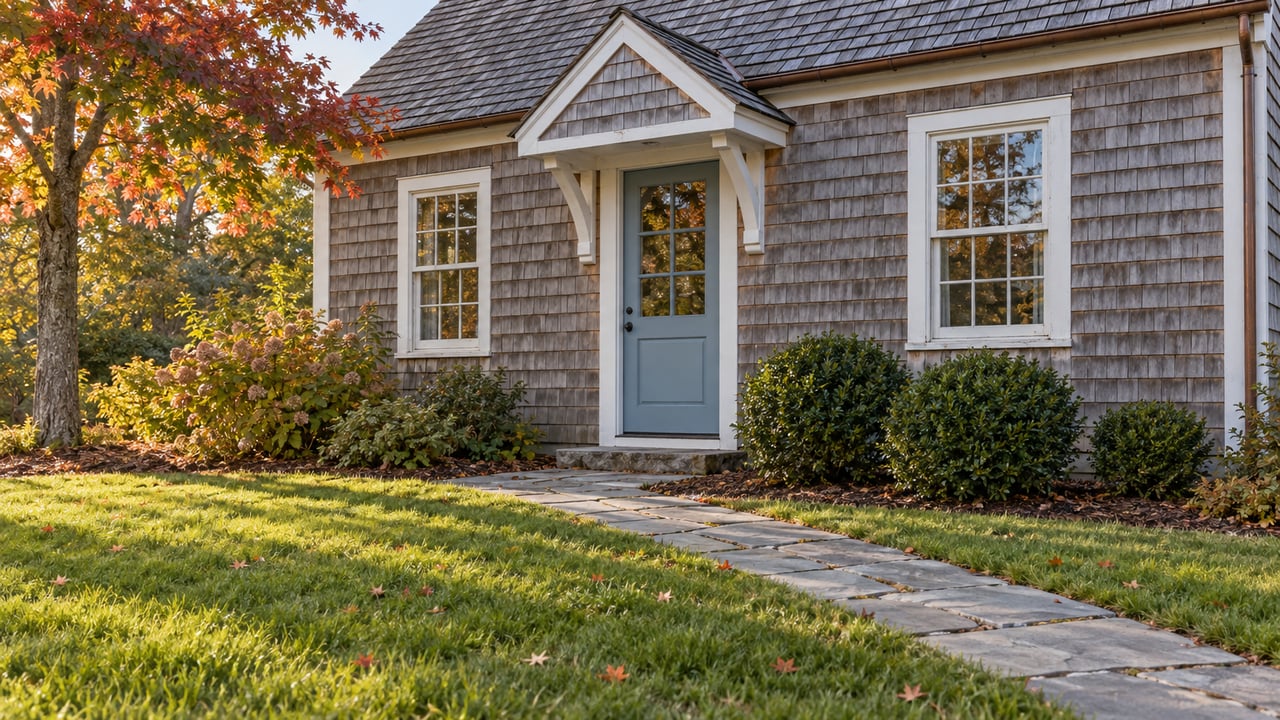
Late 18th to mid-19th century homes range from modest worker cottages to more formal captain’s houses. Look for compact footprints, steep or simple side-gabled roofs, wood clapboard or shingle siding, and small multi-pane windows. Early examples often have central chimneys. I have listed and sold many homes in Sag Harbor, one of my favorites is 19 Grand Street. Simply adorable.
Inside, expect smaller rooms and lower ceilings in cottages, with larger parlors and more generous proportions in captain’s homes. Construction may include heavy timber framing and fieldstone or brick foundations. Plan for modern system upgrades, lead paint considerations, and careful structural review.
Shingle Style and Victorian-Era Homes
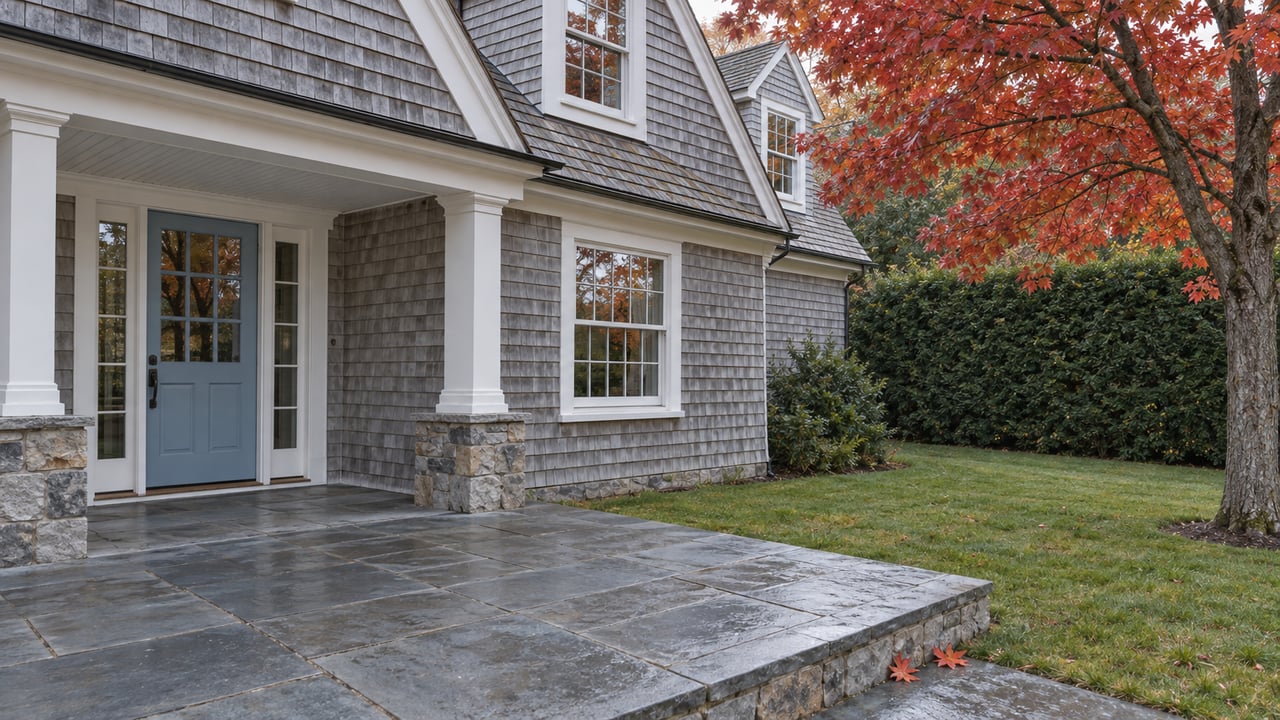
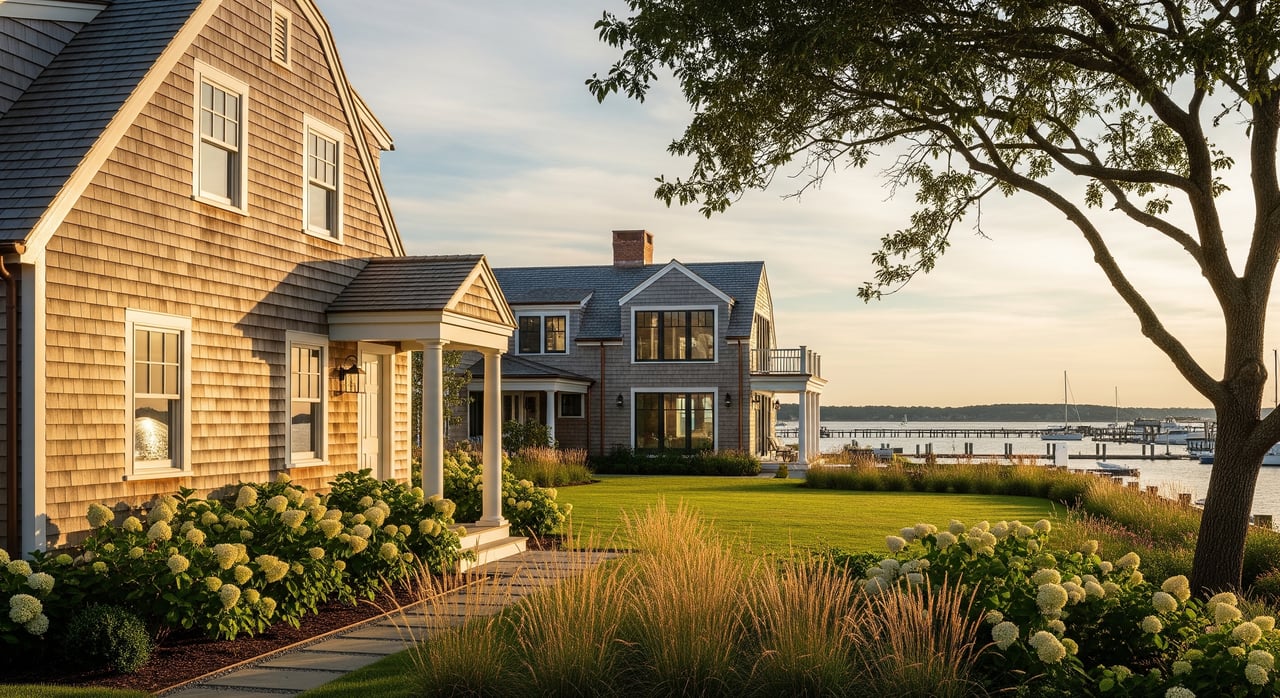
Late 19th to early 20th century Shingle Style is a defining Hamptons look. Asymmetrical massing, complex rooflines, wraparound porches, and wood shingle exteriors are the telltale signs. Interiors usually offer larger public rooms and original wood detailing.
They’re great for entertaining and summer living, but they require consistent exterior maintenance. Salt air and sun shorten the lifespan of shingles, and preservation rules often influence how updates are handled.
Bungalows With Craftsman Touches
Early 20th-century bungalows feature low-pitched roofs, exposed rafters or brackets, and front porches with tapered columns. Layouts are typically one to one-and-a-half stories with efficient, compact footprints.
They work well as year-round or seasonal homes and often lend themselves to smart expansions that respect the original scale and character.
Colonial Revival and Greek Revival Details
Symmetry, columned entry porches, pediments, transoms, and sidelights often appear on merchant and captain’s homes from the mid-19th through early 20th century. Decorative millwork is usually repairable, but it takes skilled hands to do it properly.
Bayfront Contemporary Builds
Late 20th- and 21st-century waterfront homes prioritize views and durability. Expect large window walls, clean modern lines, multiple decks, and elevated foundations or pilings. Materials are typically engineered for coastal conditions, including impact-rated glass and composite decking.
When well built, these homes tend to have fewer deferred-maintenance surprises, but flood compliance and coastal construction standards are still critical.
Maintenance and Systems Realities
Owning in a coastal village comes with a different maintenance rhythm. Proactive care matters.
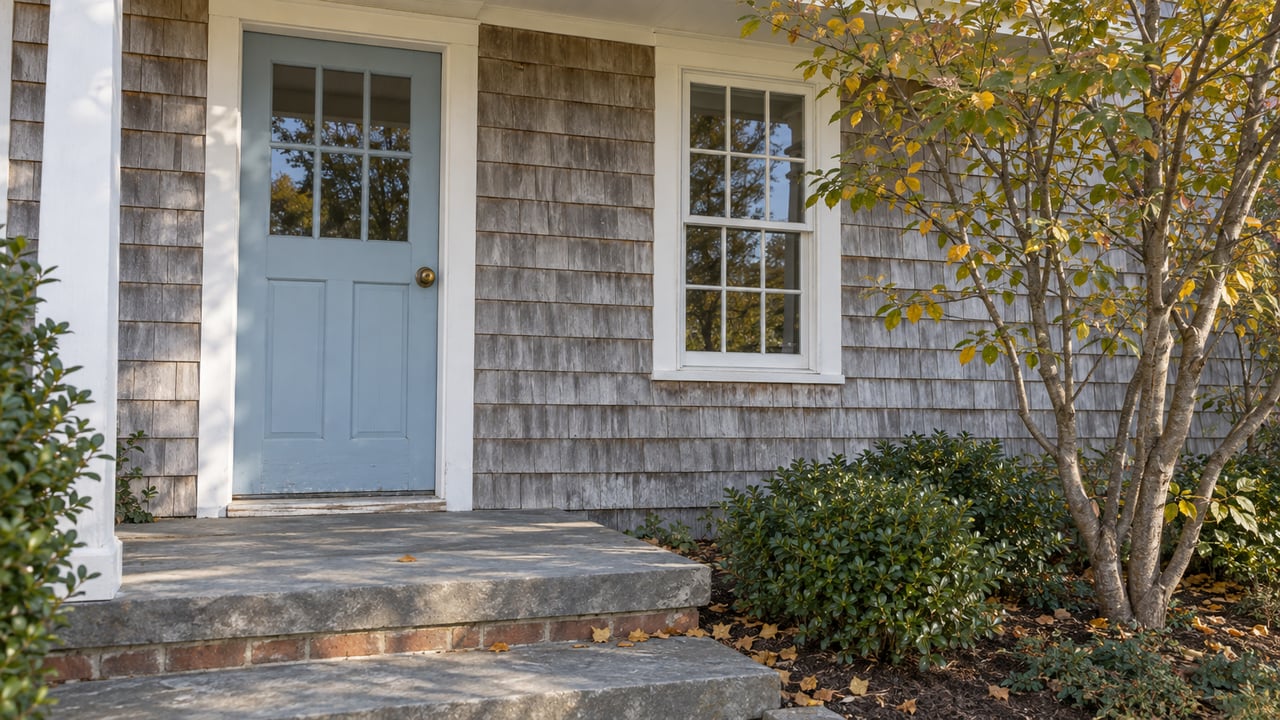
Wood exteriors weather faster in salt air, shortening paint and stain cycles.
Older foundations may show mortar deterioration or moisture issues.
Electrical, plumbing, and heating systems in historic homes are often undersized or outdated.
Pre-1978 homes may involve lead paint mitigation.
Corrosion-resistant hardware and HVAC components are essential near the water.
Flood Zones, Elevation, and Insurance
Parts of Sag Harbor fall within FEMA coastal flood zones. Properties near the water may require flood insurance, and lenders often insist on it. Confirm the flood zone and obtain an elevation certificate during due diligence through the FEMA Flood Map Service Center:
https://msc.fema.gov
Newer waterfront homes are typically elevated. Elevating older homes is possible, but complex, expensive, and approval-heavy. Wind-resilience upgrades such as impact-rated windows and hurricane strapping can improve safety and insurability.
Historic District 101
Sag Harbor includes both locally regulated historic districts and properties listed on the National Register of Historic Places. The difference matters. National Register status is largely honorary for private owners. Local historic-district rules are what actually control exterior changes.
Alterations to façades, windows, rooflines, or porches usually require review by the local preservation commission. Build extra time into your plans and work with architects and builders who understand historic approvals.
For official guidance, start with the Village of Sag Harbor Building Department:
https://www.sagharborny.gov
Some tax credits exist for certified historic rehabilitation, mostly for income-producing properties. Owner-occupied homes often do not qualify. Confirm eligibility with the New York State Historic Preservation Office before counting on incentives:
https://parks.ny.gov/shpo
Wastewater, Zoning, and Permits
Parts of Sag Harbor are sewered, while others rely on septic systems or cesspools. Suffolk County rules continue to tighten to protect coastal waters, and advanced treatment systems may be required or incentivized.
Zoning controls lot coverage, setbacks, and expansions, with added constraints on waterfront parcels. Because Sag Harbor spans both the Town of East Hampton and the Town of Southampton, permitting requirements can differ by address. Early conversations with the building department save time and money.
Buyer and Seller Playbooks
For Buyers: Smart Due Diligence
Confirm historic-district status and approval requirements.
Check FEMA flood zone and insurance costs.
Identify wastewater type and upgrade obligations.
Inspect foundations, roof, siding, porches, and windows.
Review electrical, plumbing, heating systems, and oil-tank status.
Verify that prior renovations were properly permitted and closed.
Budget for coastal-grade materials and skilled trades.
For Sellers: Prep to Protect Value
Organize permits and approvals for past work.
Address visible deferred maintenance before listing.
Service mechanical systems and document oil-tank compliance.
Clarify wastewater systems and any planned assessments.
Complete required disclosures, including lead paint where applicable.
Use light, period-appropriate updates to highlight character without overdoing it.
Where Lifestyle Meets Value
Architecture in Sag Harbor is a lifestyle tell. Whaling cottages and captains’ houses offer walk-to-everything village living. Shingle Style homes bring classic Hamptons scale and hosting potential. Bungalows keep things simple. Bayfront contemporaries focus on views, boating, and modern layouts.
Each comes with its own maintenance curve, approval process, and insurance profile. Match the property type to how you actually live, and plan for the coastal realities. That’s how value holds.
If you’re buying, selling, or planning a renovation in Sag Harbor, work with someone who understands both preservation and the deal side of the equation. Schedule a Market Consultation with Bill Williams for practical guidance on style, due diligence, and smart positioning.
FAQs
What makes Sag Harbor architecture unique?
A dense historic core paired with Shingle Style, bungalow, and modern bayfront homes, all within a compact village footprint.
How do I know if a home is in the historic district?
Confirm the address with the Village of Sag Harbor Building Department and ask what exterior changes require review.
What should I check about flood risk?
FEMA flood zone, elevation certificate, insurance costs, and wind- and water-resilience features.
Are there tax credits for restoring a historic home?
Mostly for certified, income-producing properties. Owner-occupied homes often do not qualify. Always verify.
How long do historic approvals take?
It depends on scope. Windows, porches, and rooflines usually require review and added lead time.
_____________________________________________________________________________________________________________________________________________________________________
Keywords: Sag Harbor real estate, Sag Harbor architecture, historic homes Sag Harbor, Hamptons real estate, waterfront homes Sag Harbor, Sag Harbor historic district, Hamptons home buying, coastal property New York
Hashtags: #SagHarbor #SagHarborRealEstate #HamptonsRealEstate #HistoricHomes #CoastalLiving #WaterfrontProperty #HamptonsHomes #EastEndRealEstate #PreservationMeetsValue