Trying to choose between the Lanes, the Dunes and the north‑of‑highway pockets in Amagansett? You are not alone. Each area delivers a distinct lifestyle, set of building rules and ownership costs that can shape both your summer plans and long‑term value. In this guide, you will get a clear picture of how these three zones differ, what to expect for beach and village access, how lot sizes affect renovation potential, and a simple checklist to use before you tour. Let’s dive in.
How Amagansett is organized
Amagansett is a compact oceanfront hamlet in the Town of East Hampton with a small village center right on Montauk Highway. The practical way to compare listings is to start with that road as your dividing line: properties south of the highway sit closer to the ocean and village, and homes north of the highway trade beach proximity for privacy, acreage and build potential.
- South of the highway you will find two commonly referenced areas: the Lanes and the Dunes.
- North of the highway you will find dispersed, wooded pockets with larger lots and estate settings.
This simple orientation helps you frame walkability, beach access, and renovation potential from the start.
The Lanes: close, walkable, village + beach
If you want a car‑light lifestyle, the Lanes are your closest‑in option. In local reporting, the Lanes are described as a tight grid of short streets south of Montauk Highway between Indian Wells Highway and Atlantic Avenue, placing you between the village and the ocean. That compact pattern is why you will often see listings highlight the “Amagansett Lanes” label in their marketing. Local coverage describes these boundaries and walkability.
Walkability is the headline. You can stroll to Amagansett Square for shops and eateries, or to the Stephen Talkhouse for music. Beach days are simple too, with public access points at Atlantic Avenue and Indian Wells within short walking or biking distance. The village also has train and jitney stops, which many buyers value for weekend arrivals. For a quick overview of the village context and beach access points, see this Amagansett visitor guide.
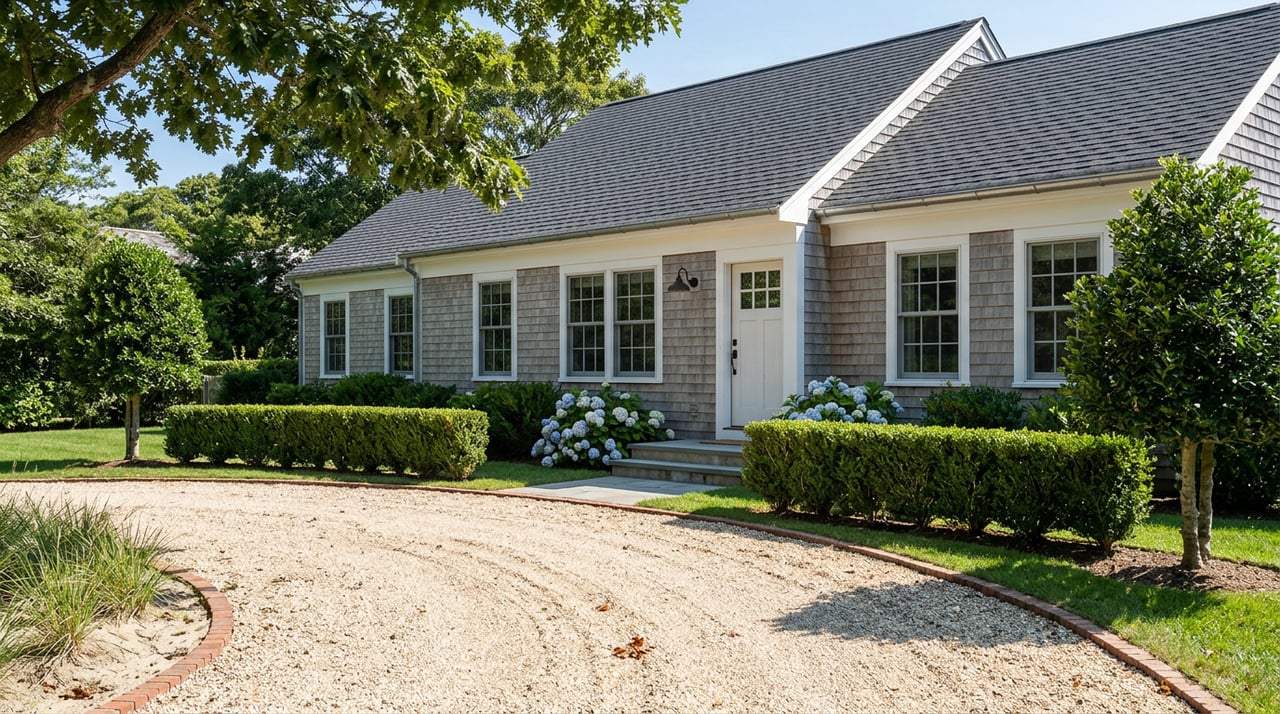
What you will find on the blocks: a mix of restored shingle cottages and newer homes tucked on smaller lots. Parcels here are commonly in the sub‑acre to roughly half‑acre range, so additions and new construction are shaped by two things: East Hampton’s gross floor area (GFA) rules and the proximity to natural coastal resources.
- The Town has recently tightened large‑house controls, revising the GFA formula and reducing maximum sizes. If you are evaluating expansion potential on a lane lot, you will want to confirm the current GFA for that parcel. Coverage of the town’s deliberations helps explain the shift in limits on house size. Read a summary of those GFA changes.
- Properties near dunes or coastal vegetation may also require Natural Resources permitting and stricter site controls. That affects landscaping, pools and additions. Start with the Town’s Natural Resources Department pages for what to expect.
Bottom line: choose the Lanes if you value being able to leave the car, walk to dinner and the beach, and live at a smaller‑lot village scale.
The Dunes (Beach Hampton): beach‑side, dune character
Push a bit east and you enter a different landscape. The neighborhood commonly called the Dunes appears on some maps as Beach Hampton, but locals and brokers tend to use “the Dunes.” Streets wind through rolling dunes, with some unpaved or soft‑surface sections that add to the rustic, beach‑first feel. The Amagansett East Association (AEA) serves as the local homeowners association here. It maintains several private beach access walkways, seasonal security at entrances, and private road upkeep for members. If a listing notes AEA membership, you should factor association rules and dues into your plans. Learn more on the AEA’s overview of the Dunes and its amenities.
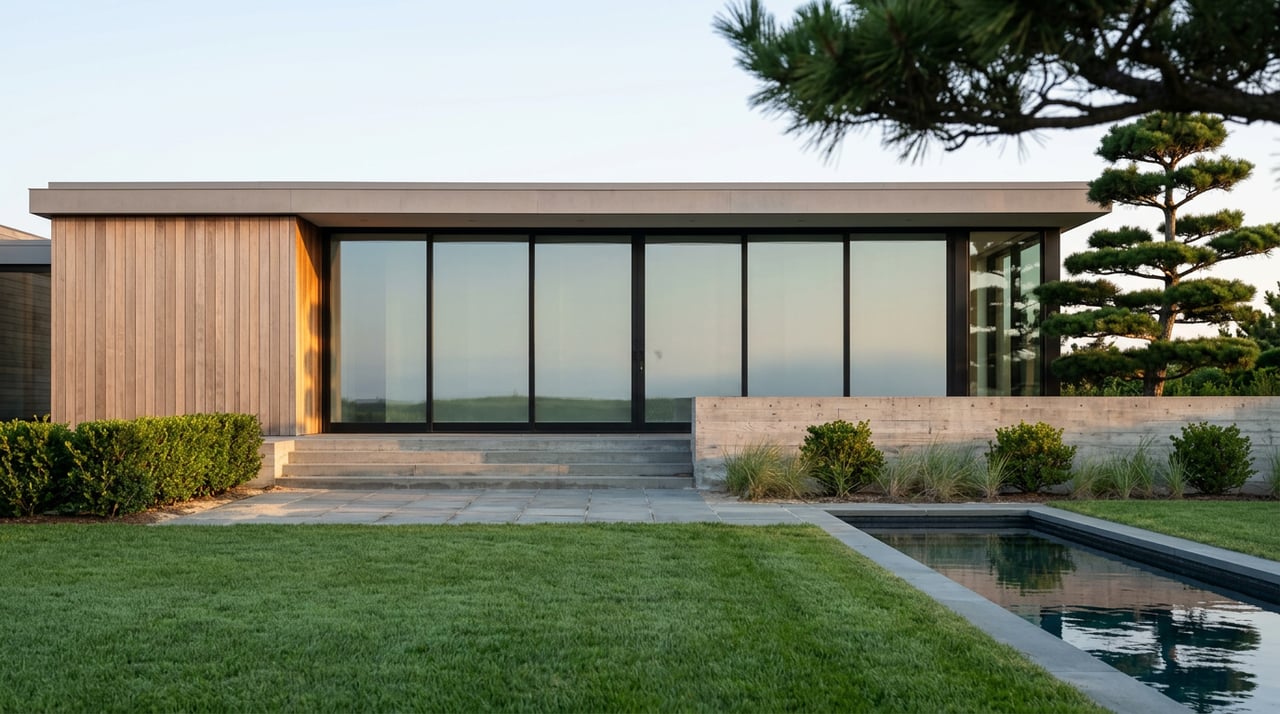
Homes in the Dunes are generally cottage scale. Many date from the mid‑20th century and earlier, with low profiles that respect the dune setting. Some have been expanded or rebuilt, yet the area still reads as beach cottages among native grasses and dune fences rather than large formal estates. Design coverage highlights this small‑footprint, dune‑sensitive pattern across the neighborhood.
Nature and rules shape ownership here more than in most places. The Amagansett oceanfront is flanked by public natural areas to the east, notably Hither Hills and Napeague State Park. These parks influence public beach use patterns and keep the area’s wild character close at hand. Get a sense of the nearby landscape at Hither Hills State Park.
Because dunes and adjacent refuges support sensitive species, landscaping and construction often require careful permitting. The piping plover, for example, nests along this stretch of coast. When you evaluate a Dunes listing, expect dune setbacks, revegetation requirements and seasonal work limits to be part of the conversation. The U.S. Fish and Wildlife Service explains why protections are in place at the Amagansett National Wildlife Refuge.
Bottom line: choose the Dunes if immediate dune‑to‑beach proximity and a laid‑back, beach‑cottage vibe are your top priorities, and you are comfortable with extra permitting steps.
North of the Highway: woodland, acreage, estate potential
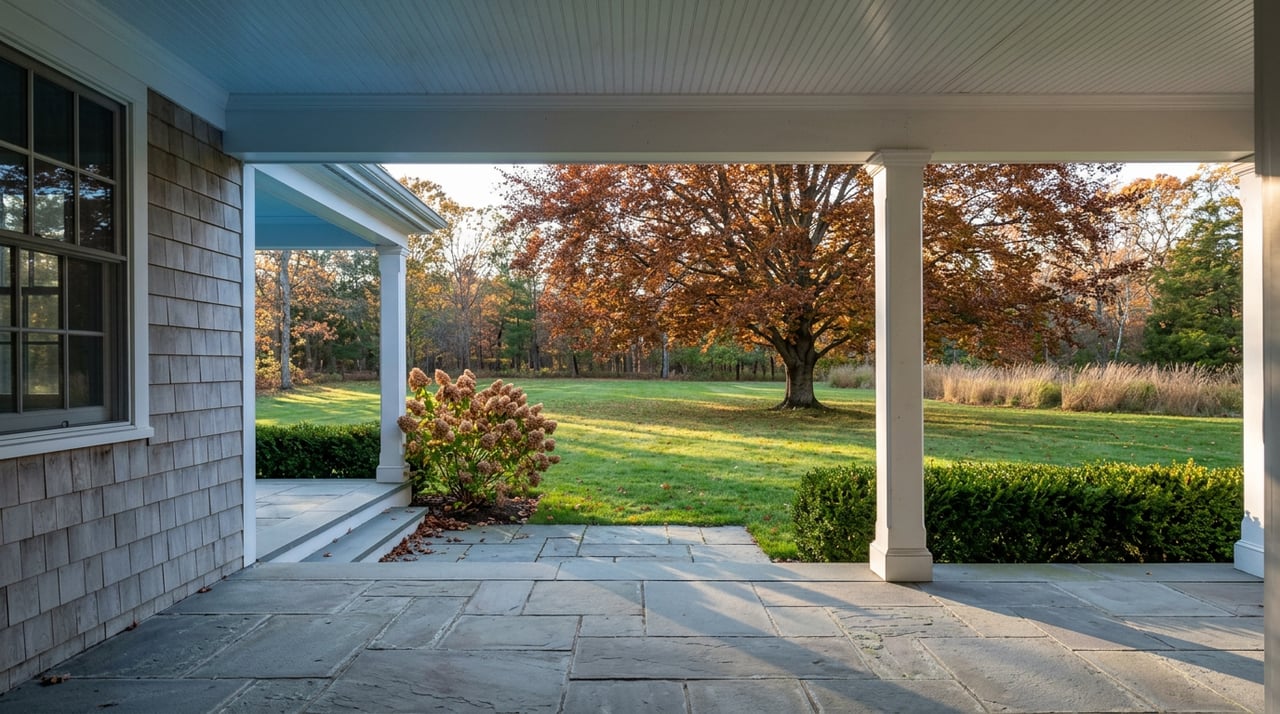
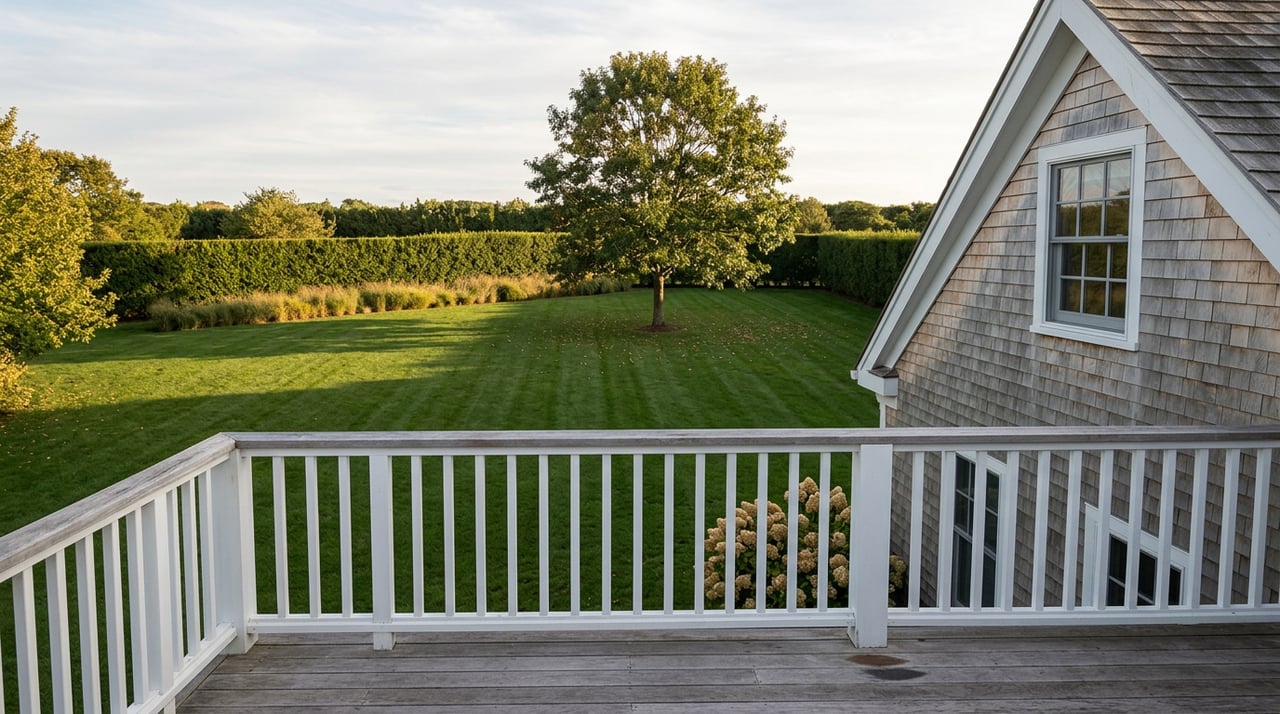
North of Montauk Highway the feel changes quickly. Parcels open up into wooded acreage with long driveways, bigger lawns and a more private, park‑like setting. Commonly referenced pockets include Amagansett North, parts of the Bell Estate and Devon. You are still a short drive to the ocean and village, but you gain room for pools, accessory structures and outdoor living at scale.
This is where buyers build or buy larger homes. Recent reporting has highlighted a surge of eight‑figure inland sales and explains how tighter house‑size rules are steering some demand to larger inland parcels that allow more GFA per lot. That context is helpful if you value flexibility for a large primary or compound residence. See the overview of these trends and the zoning interaction in The Real Deal’s coverage of Amagansett North.
As with anywhere on the East End, you will still need to check parcel‑specific overlays and constraints. Some inland pockets have wetlands or water‑quality rules to navigate, but generally you will find more forgiving building envelopes than on small, south‑side lots.
Bottom line: choose north of the highway if you want privacy, space and the potential to build a larger home and amenities within the Town’s GFA framework.
Side‑by‑side differences buyers care about
Proximity and walkability
- Lanes: highest walkability to Amagansett Square, shops and the train or jitney. Local reporting emphasizes the Lanes’ close‑in location.
- Dunes: close to the ocean with a more rustic road network, less walkable to the village itself.
- North of highway: requires a short drive to the Square and beaches.
Beach access and type
- Lanes: easy public access at Atlantic Avenue and Indian Wells, often a quick walk or bike. The Amagansett visitor guide outlines public beach options.
- Dunes: AEA‑maintained private walkways and immediate dune proximity. Review how the AEA manages beach paths and rules.
- North of highway: beach access is typically by car, usually a short drive depending on the pocket.
Lot size and build potential
- Lanes: typically sub‑acre to about half an acre. The Town’s updated GFA limits cap the size of expansions and new builds. Get background on those changes from Behind The Hedges’ summary of the GFA formula update.
- Dunes: small, dune‑constrained parcels with more complex Natural Resources reviews for any expansion. Start with the Town’s Natural Resources guidance.
- North of highway: larger acreage and more room for pools, courts and guest structures, subject to parcel‑specific zoning and any overlays. See The Real Deal’s analysis of inland demand and house‑size dynamics.
Privacy and noise
- Lanes: lively and social near village and beach activity in peak season.
- Dunes: quieter streets but beach entrances can be seasonally busy.
- North of highway: generally the most private and serene.
Roads, associations and dues
- Lanes: usually town or village roads, but always confirm road ownership and maintenance on a title report.
- Dunes: many properties participate in the AEA. Confirm association walkways, dues and rules.
- North of highway: some pockets have HOA or private road agreements. Verify in each deed and title.
Regulatory and hidden costs to plan for
- Natural Resources permits and dune setbacks if south of the highway. See the Town’s Natural Resources Department.
- Septic type and any low‑nitrogen upgrade requirements. The Town’s Septic Incentive Program can offset costs.
- FEMA flood‑zone status and elevation certificates. Check the address at FEMA’s Flood Map Service Center.
- Updated GFA limits and maximum house size under current code. Review the GFA formula background.
- Association dues or private road maintenance where applicable.
Which area fits your goals?
- Choose the Lanes if walking to the Square, hopping on the train or jitney, and grabbing an ice cream after the beach are part of your daily rhythm. You will likely trade lot size for that convenience.
- Choose the Dunes if your perfect day starts with coffee on a dune‑side deck and a two‑minute walk to a private beach path. Expect more permitting homework for any project.
- Choose north of the highway if you want a quiet, wooded setting with room for a pool, guest spaces and larger‑format living that aligns with the Town’s current GFA framework.
A buyer’s checklist before you tour
Use this short list to save time and surface costs early. Ask the listing agent or your buyer’s agent for documents wherever possible.
- Orientation: Is the property south or north of Montauk Highway? This sets expectations for walkability and build limits.
- Dune and refuge buffers: If south, is the lot within dune‑protected or refuge buffer areas and what Natural Resources or USFWS rules apply? See the Town’s Natural Resources page and read why protections matter at the Amagansett National Wildlife Refuge.
- Beach access type: Are beach walkways public or private? If private, who manages them and what are the dues? Review the AEA overview for Dunes properties.
- Lot size and allowed GFA: What is the parcel’s zoning and the current max allowable square footage? Start with a GFA backgrounder from Behind The Hedges and ask the Town for a current calculation.
- Septic: What system is installed and are upgrades required under the Town’s low‑nitrogen program? Explore the Town’s Septic Incentive Program.
- Flood risk: Is the property in a FEMA flood zone and what is the elevation certificate status? Check the address on FEMA’s Flood Map Service Center.
- Road maintenance: Is access public or private and who pays for upkeep and snow removal?
- Rental registration: If rental income matters, ask for East Hampton rental registration proof and prior occupancy records.
- Permitting history: Request copies of major building permits, any shoreline or dune work approvals, variances and any past violations.
How a local advisor helps you decide
Comparing these three parts of Amagansett is not just about lifestyle. It is also about permits, septic, flood zones, and build math. A seasoned local can help you weigh those tradeoffs and position your offer with the right contingencies. With 25+ years on the East End, full‑cycle service across sales, seasonal and year‑round rentals, property management and concierge staging, and Compass tools like Private Exclusives and Concierge, you get boutique guidance with institutional reach.
If you are narrowing down your target area or want a quick read on a specific listing’s build potential, schedule a conversation with Bill Williams. We will walk through your wish list, map it to the right streets, and line up smart next steps.
FAQs
What is the difference between the Lanes and the Dunes in Amagansett?
- The Lanes are a compact, walkable grid near the village and public beach access points, while the Dunes (Beach Hampton) are dune‑side streets with an association that maintains private beach walkways and a more rustic, beach‑cottage feel. See local reporting on the Lanes and the AEA’s overview of the Dunes.
How do East Hampton’s GFA rules affect building in Amagansett?
- The Town revised its gross floor area formula and reduced maximum house sizes, which can limit expansions on smaller south‑side lots and steer larger new builds to inland parcels. For context, read this summary of GFA changes and related reporting on inland demand.
Do homes in the Amagansett Dunes have private beach access?
- Many do through the Amagansett East Association, which maintains private beach walkways and seasonal security for members. Confirm membership, dues and rules with the seller and review the AEA overview.
Is flood insurance required for the Lanes or the Dunes?
- It depends on the property’s FEMA flood‑zone designation and elevation. Check the address at FEMA’s Flood Map Service Center and ask the seller for any elevation certificates and current premiums.
What should I verify about septic systems when buying in Amagansett?
- Confirm the system type and capacity, inspection status and whether low‑nitrogen upgrades are required or incentivized by the Town. Start with the Town’s Septic Incentive Program and factor cost and timeline into your plan.
How far are north‑of‑highway homes from the beach?
- Most pockets are a short drive to ocean access and the village. Exact distances vary by street, which is why many buyers choose these areas for privacy and space while keeping beach trips simple.