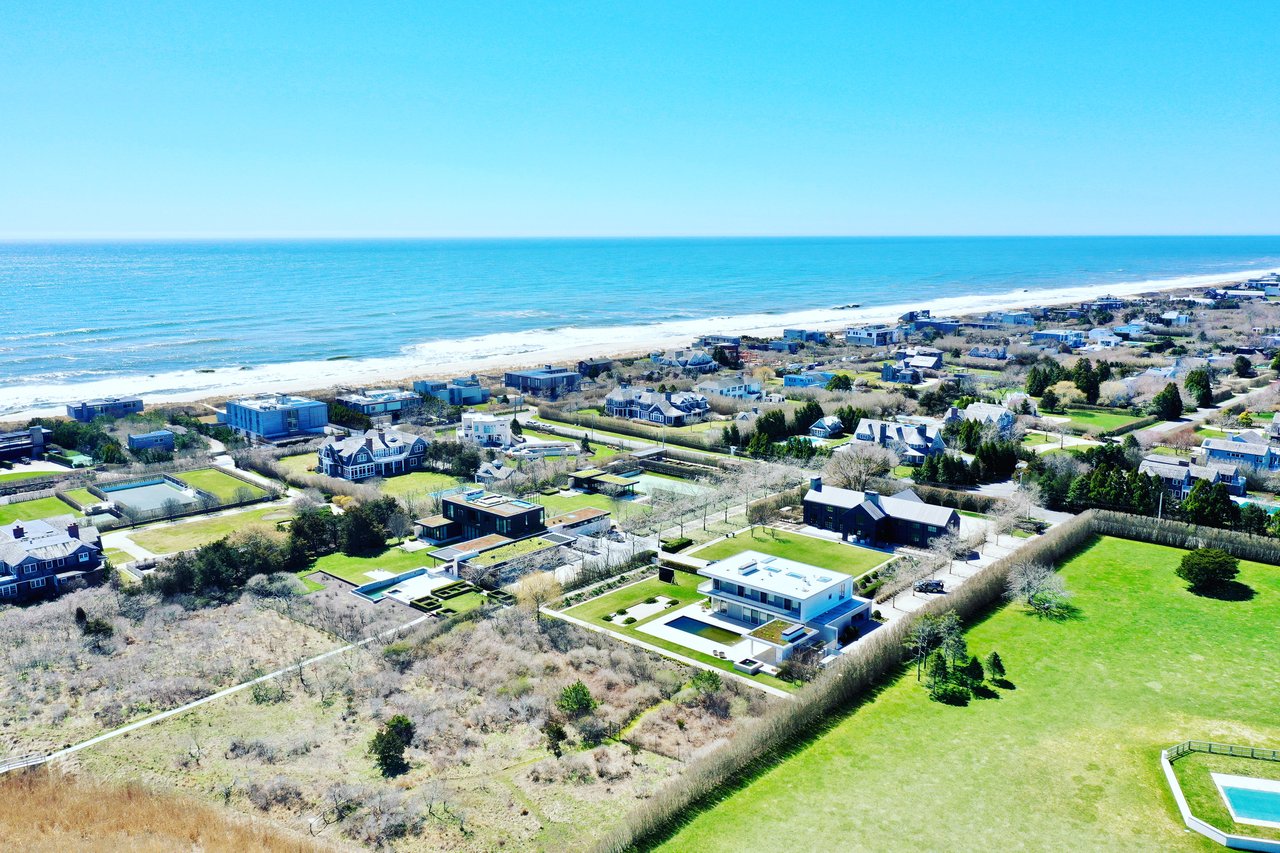
Torn between morning coffee on Main Street and sunrise walks over the dunes? In Southampton, you can live near the Village for walkability or by the ocean for a beach‑first life. Each option offers a distinct rhythm, set of rules, and long‑term considerations. This guide lays out the practical differences so you can choose the pocket that fits your lifestyle and goals. Let’s dive in.
Village vs. ocean beaches: what that means
When locals say “Southampton Village,” they mean the walkable downtown around Main Street and Jobs Lane plus the Village‑managed beaches like Cooper’s Beach. You’ll find a cluster of shops, cafés, cultural venues, and the Village’s beach system all tied to a central permit process. You can see the official list on the Village’s page of beaches and places of interest.
“Ocean beaches” often refers to the oceanfront corridors like Meadow Lane and Dune Road and similar stretches east and west of the Village. These areas are primarily residential with limited public access and few continuous services. Public and nonprofit attention around Meadow Lane, highlighted in coverage of shoreline access and resilience, shows both the area’s high value and the focus on long‑term coastal planning.
In practice, Village homes sit minutes from shops and several beaches, while barrier‑beach properties usually require a drive to groceries and errands. Expect a more car‑dependent routine on the oceanfront.
Daily life and amenities
If you want to walk to errands, year‑round dining, and cultural spots, the Village core delivers. Restaurants and cafés on and near Main Street anchor daily life, and the Village highlights institutions and local points on its official page. Even in the off‑season, there is activity around the downtown.
Oceanfront pockets are designed for privacy and beach access. You trade walkable retail for larger outdoor spaces and quick access to the sand. Plan on driving for groceries, pharmacies, and specialty shops.
Healthcare is close by. The local hospital merged into Stony Brook Medicine, which strengthens emergency and outpatient care on the East End. Read more about the Stony Brook Southampton Hospital affiliation.
If schools or year‑round services matter to you, confirm attendance zones and service schedules with the Town before you buy. Zoning overlays, permits, and operating rules are important on both sides of the Village line.
Getting around and seasonality
The LIRR Montauk Branch stops at Southampton, and private bus services like the Hampton Jitney operate regular routes. For a practical look at options, see this overview of getting to the Hamptons by land. Driving is common, but summer Fridays and Sundays can be congested. Plan for different travel times in peak season versus shoulder months.
Beach routines and permits
Living in or near the Village makes quick beach runs simple. Cooper’s Beach, the flagship Village beach, typically offers lifeguards, concessions, and chair or umbrella rentals in season. Parking rules and fees are active, and daily parking at Cooper’s is fee‑based in season. The Village outlines permit types, fees, and eligibility in the beach parking permit application.
If you own on the ocean corridors like Meadow Lane or Dune Road, your day often starts and ends on your own dune path. Many owners keep boards, chairs, and setups on site and focus more on private shoreline use. You should also expect more hands‑on dune and property stewardship.
Boating on Shinnecock Bay
Southampton’s boating life centers on Shinnecock Bay and the Shinnecock Canal. County and private marinas handle slips, pump‑out, and fuel, usually with seasonal policies and waitlists. Check the Suffolk County Parks boating and marina information for services and reservation windows.
Local navigation and shoreline conditions are shaped by the Shinnecock Inlet and bay circulation. The USGS modeling of Shinnecock shoreline dynamics offers useful context for tides, dredging, and broader coastal processes.
Property types and how you may use them
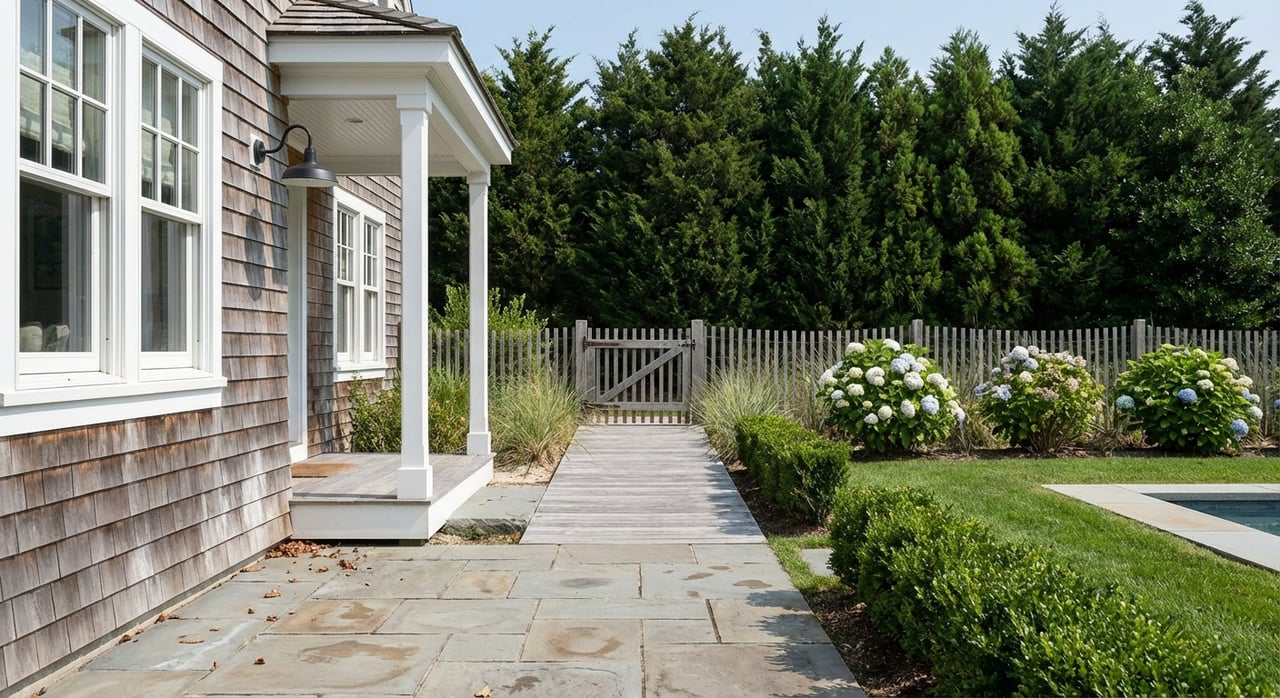
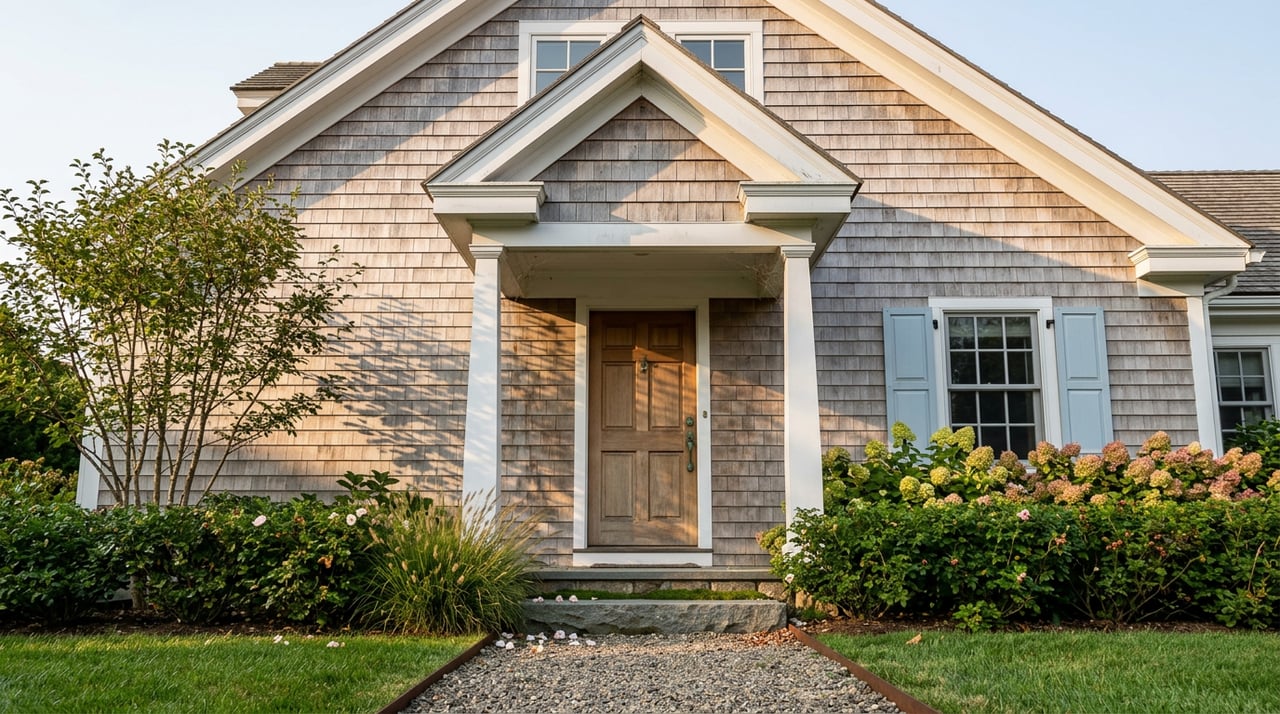
In the Village, you’ll find a mix of historic cottages, classic shingle‑style homes, and some townhomes or smaller‑lot properties near Main Street. Parts of the Village are within historic districts, which can affect renovation and exterior design review. The Town outlines these overlays on its Landmarks and Historic Districts page.
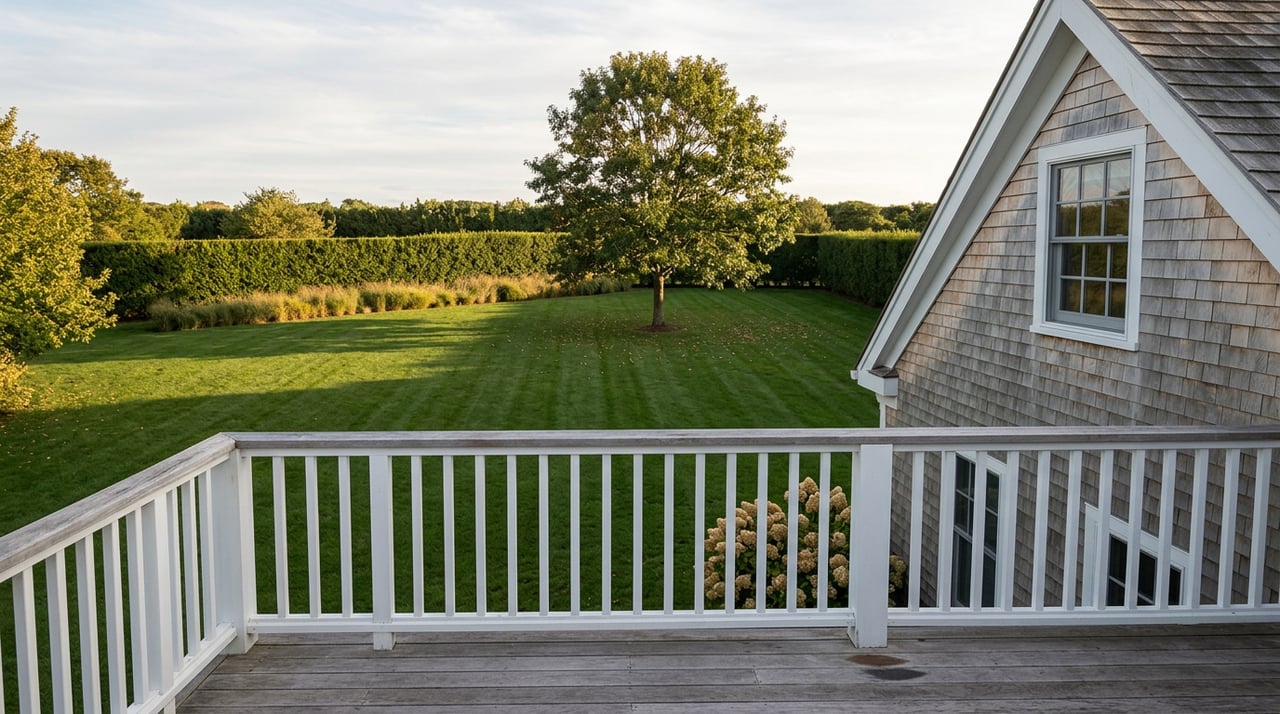
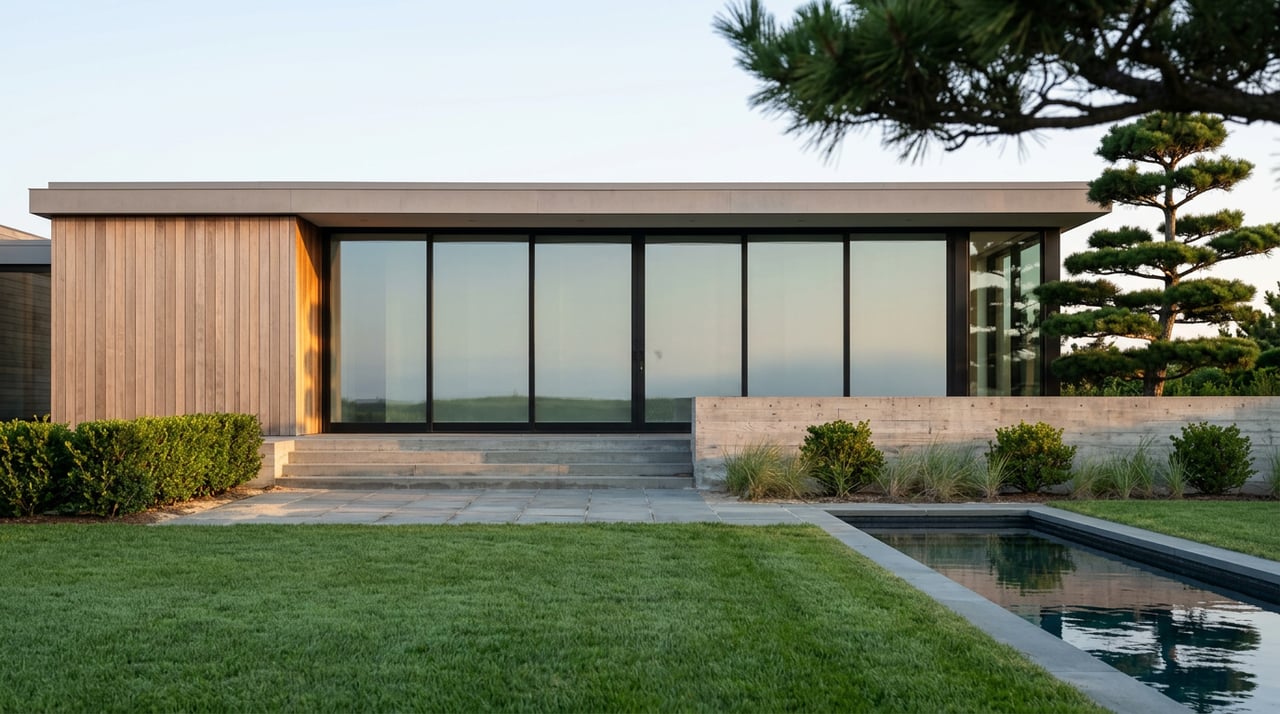
Oceanfront parcels on Meadow Lane, Dune Road, and adjacent stretches skew larger and more private, with direct beach frontage, pools, dune stairs, and significant outdoor amenities. Some are modern estates; others are older cottages that have been expanded over time.
How owners use homes varies. Many Village buyers live year‑round or split time seasonally, enjoying walkability and local events. Oceanfront owners often use properties as second homes or seasonal retreats, concentrating their stays in summer and shoulder months.
Rental rules you need to know
If you plan to rent, the Town of Southampton requires a rental permit that is valid for two years and is not transferable when a property sells. Importantly, the Town enforces a 14‑day minimum stay. That means high‑turnover short‑term rental models are not permitted under Town Code. Details on documentation, inspections, and timelines appear in the Town’s Rental FAQ.
Village beach access is also regulated. If guests or visitors will use Village beaches, factor in permit rules, parking fees, and eligibility for day passes or seasonal stickers where applicable.
Resilience, flood maps, and insurance
Coastal properties face evolving risks from erosion, flooding, and saltwater exposure. Scientific partners have documented nearshore dynamics around Shinnecock, and restoration work continues in the area. Always review a property’s flood zone on the FEMA Flood Map Service Center and ask for an elevation certificate for oceanfront or low‑lying lots.
Insurance and carrying costs can differ widely by location. Oceanfront homes may need specialized wind and flood coverage and often have higher maintenance budgets. Village homes can be simpler to operate day to day but may involve historic district guidelines for exterior changes.
Ongoing maintenance and true cost of ownership
Oceanfront costs to plan for:
- Dune monitoring and permitted repairs
- Stair and boardwalk upkeep
- Salt‑air corrosion on HVAC and metals
- Higher insurance premiums and specialized policies
- Septic and shoreline permitting fees and timelines
Village costs to plan for:
- Potential historic review for exterior changes in designated areas
- Smaller lots and lower yard maintenance for many inland properties
- Easier access to utilities, vendors, and errands that can reduce friction
Which pocket fits your lifestyle
Choose the Village if you want:
- Walkable access to cafés, dining, and errands
- Year‑round services and community programming
- Short bike or drive to multiple managed beaches
- A primary home or split‑time base with simpler logistics
Choose the oceanfront if you want:
- Direct beach access and privacy as your top priorities
- Larger lots and estate features like pools and dune paths
- A seasonal or second‑home retreat with on‑site beach life
- A budget and plan for coastal maintenance and insurance
Quick buyer checklist
- Flood and elevation. What is the FEMA flood zone and is there an elevation certificate on file?
- Shoreline history. What erosion or dune work has occurred or is planned nearby, and who maintains stairs and access paths?
- Rental plans. Does the property have a valid Town rental permit and does your rental model meet the 14‑day minimum?
- Boating. Where will you keep a boat? Are there slip waitlists or seasonal limits at county or private marinas?
- Daily logistics. How far are groceries, pharmacies, and year‑round restaurants, and how will seasonality affect travel times?
Ready to compare homes
If you are weighing Village convenience against an oceanfront retreat, you do not have to choose blind. Let a local advisor walk you through lifestyle fit, permits, flood exposure, and realistic operating costs before you make an offer. Reach out to Bill Williams to map your options and tour homes that match how you want to live.
FAQs
What is the main difference between Southampton Village and oceanfront areas?
- The Village offers walkability to shops, dining, and managed beaches, while oceanfront corridors like Meadow Lane and Dune Road prioritize privacy, larger lots, and direct beach access with more driving for services.
How do Southampton Village beach parking permits work in season?
- The Village publishes permit types, eligibility, and fees, and enforces parking rules and daily fees at Cooper’s; review the current details on the Village’s beach parking permit application before summer.
What should I know about short‑term rentals in the Town of Southampton?
- A Town rental permit is required and includes a 14‑day minimum stay, inspections, and documentation; permits are valid for two years and are not transferable when a home sells.
How does flood risk affect buying near the beach in Southampton?
- Check the property’s FEMA flood zone and obtain an elevation certificate; location can influence insurance requirements, premiums, and long‑term resilience planning.
Where can I keep a boat near Southampton and what are the rules?
- Shinnecock Bay and Canal marinas offer seasonal slips, pump‑out, and fuel; expect waitlists and seasonal policies, and confirm depth and transient rules with the marina in advance.