Jumbo Mortgages in the Hamptons: What Buyers Need to Know Before They Bid
Buying in the Hamptons often means dealing with a jumbo mortgage. Prices move quickly, inventory stays tight, and plenty of homes blow past standard loan limits without breaking a sweat. Whether you are looking for a year-round residence, a second home near the beach, or a long-term investment, understanding jumbo financing upfront will save you time, leverage, and a few gray hairs.
This guide explains what counts as a jumbo loan in the Hamptons, how underwriting works here, what affects rates, and how to plan your timeline so financing does not become the reason you lose a deal.
What Counts as a Jumbo in the Hamptons
A jumbo loan is any mortgage that exceeds the conforming loan limit set by the Federal Housing Finance Agency. For 2024, the baseline single-unit limit is $766,550, with a high-cost ceiling of $1,149,825. Because limits are set by county, you should always confirm the current Suffolk County threshold before labeling a loan jumbo.
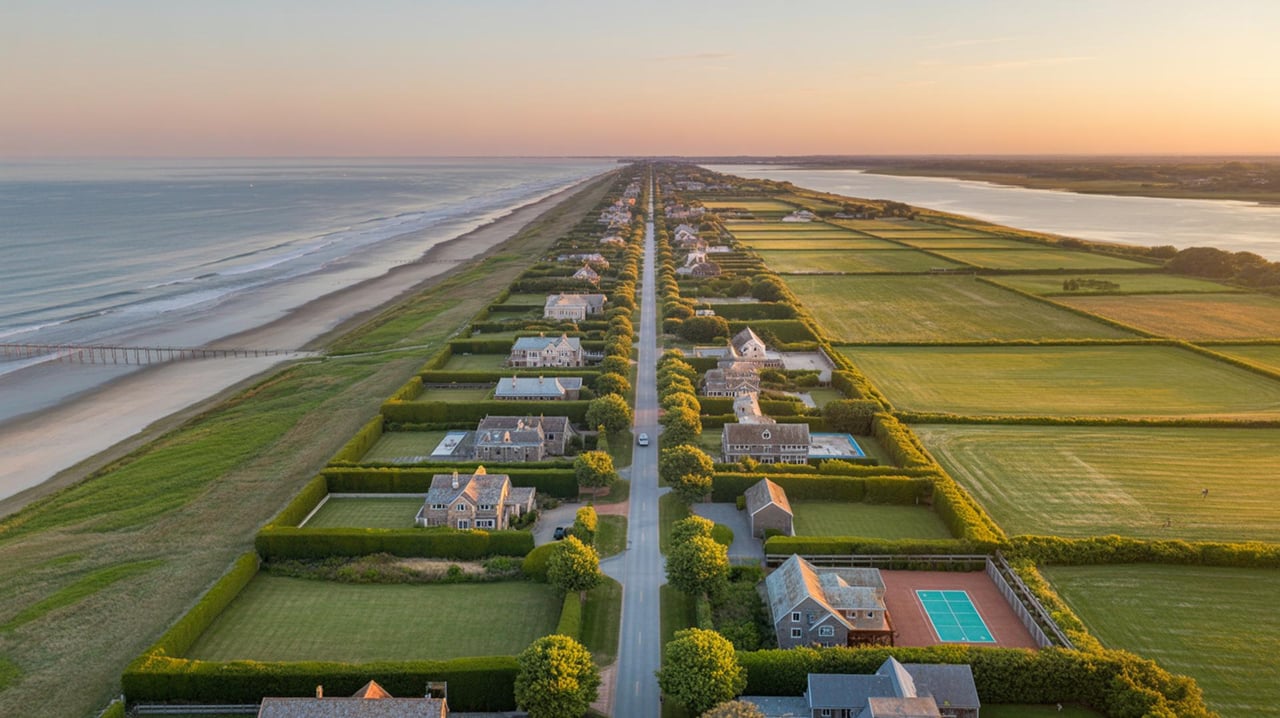
Across the Hamptons, from Westhampton to Montauk, many purchases land above conforming limits simply due to pricing, lot size, and proximity to the water. That is why jumbo financing is common for both primary residences and second homes throughout the market.
Why Hamptons Properties Trigger Jumbo Loans
Hamptons homes tend to check boxes lenders care deeply about: waterfront exposure, historic construction, custom builds, large parcels, and seasonal use. Pair those price points with a typical down payment, and the resulting loan amount often exceeds conforming caps.
Add in coastal insurance, complex appraisals, and limited comparable sales, and underwriting becomes more detailed than what you see in a standard suburban transaction. None of this is a problem, but it does mean you want the right lender and a realistic timeline.
What Jumbo Lenders Look For
Credit, Down Payment, and DTI
Jumbo lenders expect stronger profiles than conforming programs. In practice, that usually means:
-
Credit scores in the 700–760+ range for competitive pricing
-
Loan-to-value ratios typically up to 80% on primary homes
-
Second homes often require 20–30% down, sometimes more
-
Debt-to-income ratios generally capped around 36–45%, depending on assets and loan size
Strong liquidity can offset some ratios, but assumptions are dangerous. Ask early.
Reserves and Documentation
Jumbo loans come with larger reserve requirements and full documentation. Many programs require 6–12 months of total housing payments in reserves, with higher expectations for second homes or larger loans.
You should expect to provide pay stubs, W-2s or two years of tax returns, and complete asset statements. Gift funds can be allowed, but sourcing and seasoning rules apply and can change reserve calculations.
Second Homes, Rentals, and Reality
Second homes are underwritten more conservatively than primary residences. That typically means larger down payments and tighter debt ratios. If the property has a short-term rental history, lenders often require two full years of documented rental income on tax returns before counting it, and some will not count it at all.
Translation: rental upside is great for you, but do not assume the lender cares.
Rates and How to Shop Smart
How Jumbo Rates Actually Behave
Jumbo rates do not always run higher than conforming rates. Since 2022, spreads have shifted based on market liquidity, investor demand, and whether the lender keeps the loan in portfolio.
Adjustable-rate jumbo products, such as 7/1 or 10/1 ARMs, often price lower than 30-year fixed options. They can be useful tools, but only if you understand the reset risk and your exit strategy.
Choosing the Right Hamptons Lender
In the Hamptons, lender experience matters. You want someone comfortable with coastal homes, septic systems, flood zones, and high-value appraisals. Buyers often compare national banks, regional lenders, mortgage brokers, and portfolio lenders.
Local and regional firms can be especially valuable here. Many buyers work with East End lenders such as Pareast Capital and other Hamptons-focused institutions that understand the nuances of luxury and coastal financing. Relationship banking can sometimes unlock more flexible terms if assets are involved.
Always request detailed pre-approval letters that outline rates, fees, reserve requirements, and appraisal expectations. Vague pre-approvals are a red flag.
Appraisals and Coastal Considerations
Valuations for Unique Homes
Hamptons appraisals can take longer due to limited comparable sales, especially for waterfront or architecturally distinct properties. Appraisers may expand the geographic search area and apply larger adjustments.
For higher-value homes, lenders often require appraisers with proven luxury or coastal experience. Build extra time into your contract and expect potential reviews.
Flood Zones and Insurance
Many Hamptons properties sit near the ocean, bays, or wetlands. Homes in Special Flood Hazard Areas require flood insurance. Even outside mapped zones, lenders may recommend coverage due to proximity to water.
Flood and windstorm insurance premiums can materially affect debt-to-income ratios and reserve requirements. Elevation certificates and wind mitigation reports may be requested to fine-tune pricing.
Condos and Property-Specific Details
For condos, lenders review association financials, reserves, insurance coverage, owner-occupancy ratios, and litigation history. Septic systems, wells, deeded beach rights, and seasonal access can also affect underwriting.
Disclose these items early. Surprises cost time, and time kills deals.
A Practical Jumbo Loan Game Plan
-
Get pre-approved early and compare multiple lenders
-
Assemble documentation before you shop seriously
-
Estimate flood and wind insurance before making an offer
-
Budget extra time for appraisals on unique or waterfront homes
-
Explore portfolio lending if your situation is unconventional
-
Keep required reserves liquid and avoid major financial moves before closing
Ready to Move Forward?
Jumbo financing in the Hamptons is very manageable when you understand the rules and plan ahead. The key is aligning the right lender, realistic timelines, and property-specific details before emotions take over.
If you are considering a purchase anywhere in the Hamptons and want to talk through financing strategy, neighborhoods, or timing, schedule a market consultation with Bill Williams.
FAQs
How do I know if my loan is jumbo in the Hamptons?
Compare your loan amount to the current Suffolk County conforming limit for the year. Anything above that threshold is jumbo.
How much down payment is required for a second home?
Most lenders require 20–30% down for jumbo second-home purchases, depending on credit, assets, and loan size.
Are jumbo rates higher than conforming rates?
Not always. Pricing depends on market conditions, lender structure, and your financial profile.
Will a waterfront appraisal be an issue?
It can take longer due to limited comps, but experienced lenders and appraisers can manage it with proper planning.
Can short-term rental income be used to qualify?
Many lenders require two years of documented rental income on tax returns, and some exclude it entirely.
Is flood insurance required in the Hamptons?
If the home is in a Special Flood Hazard Area, yes. Even outside those zones, coverage may be recommended and can affect underwriting.
Hamptons jumbo mortgage, Hamptons home financing, jumbo loan Suffolk County, second home mortgage Hamptons, waterfront home financing, luxury mortgage Hamptons, East End mortgage lender, coastal home loan New York, Pareast Capital mortgage, Hamptons real estate financing
#HamptonsRealEstate #HamptonsMortgage #JumboLoan #LuxuryRealEstate #SecondHome #WaterfrontHomes #SuffolkCounty #EastEndLiving #HamptonsBuyers #PareastCapital #WorkWithBillWilliams