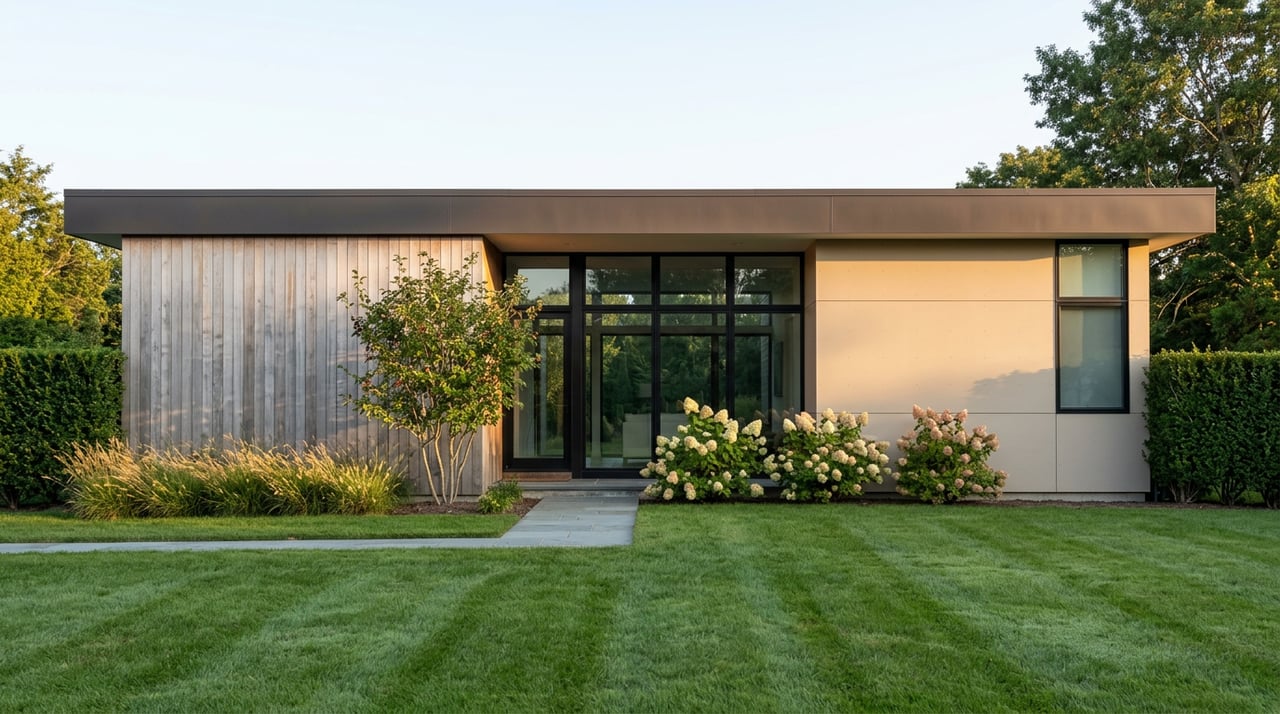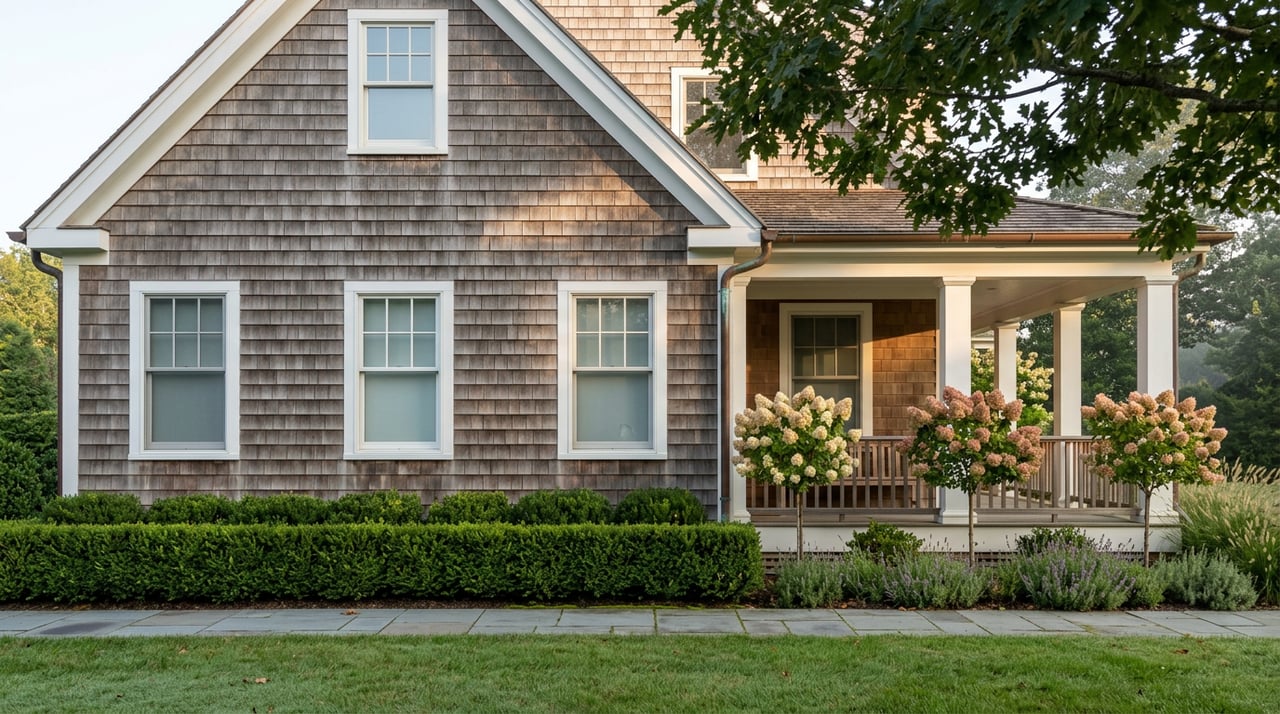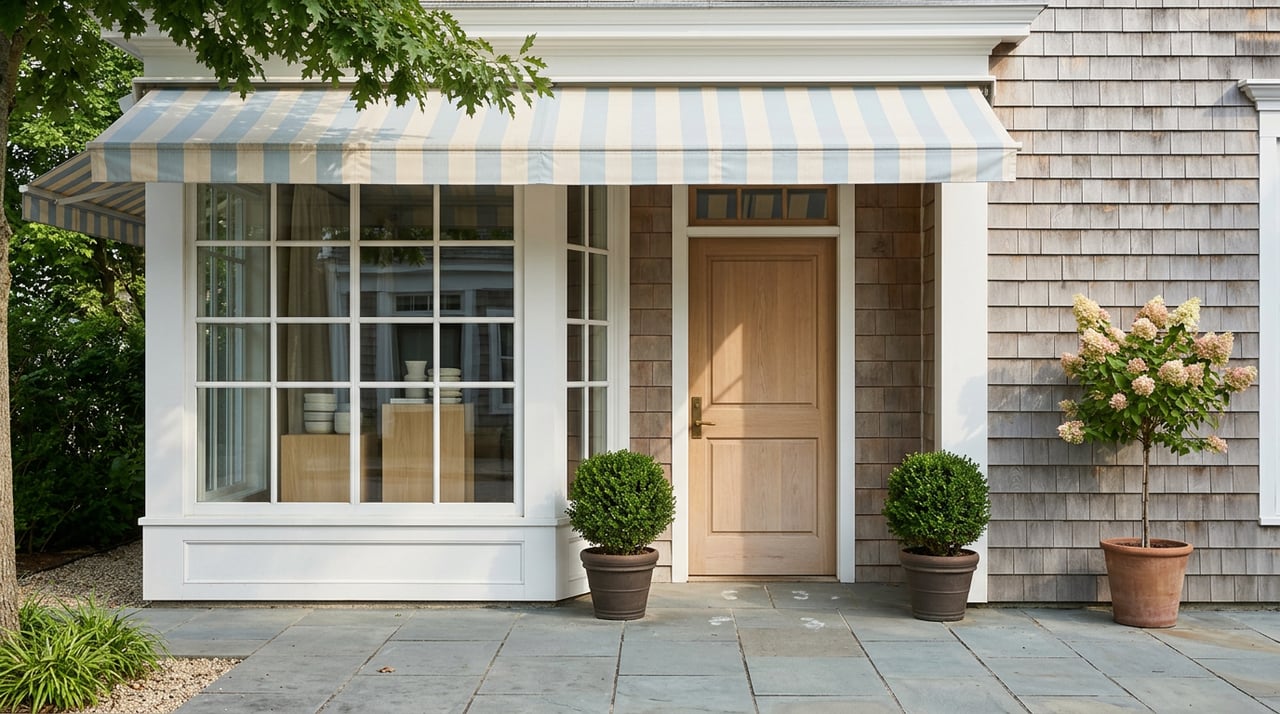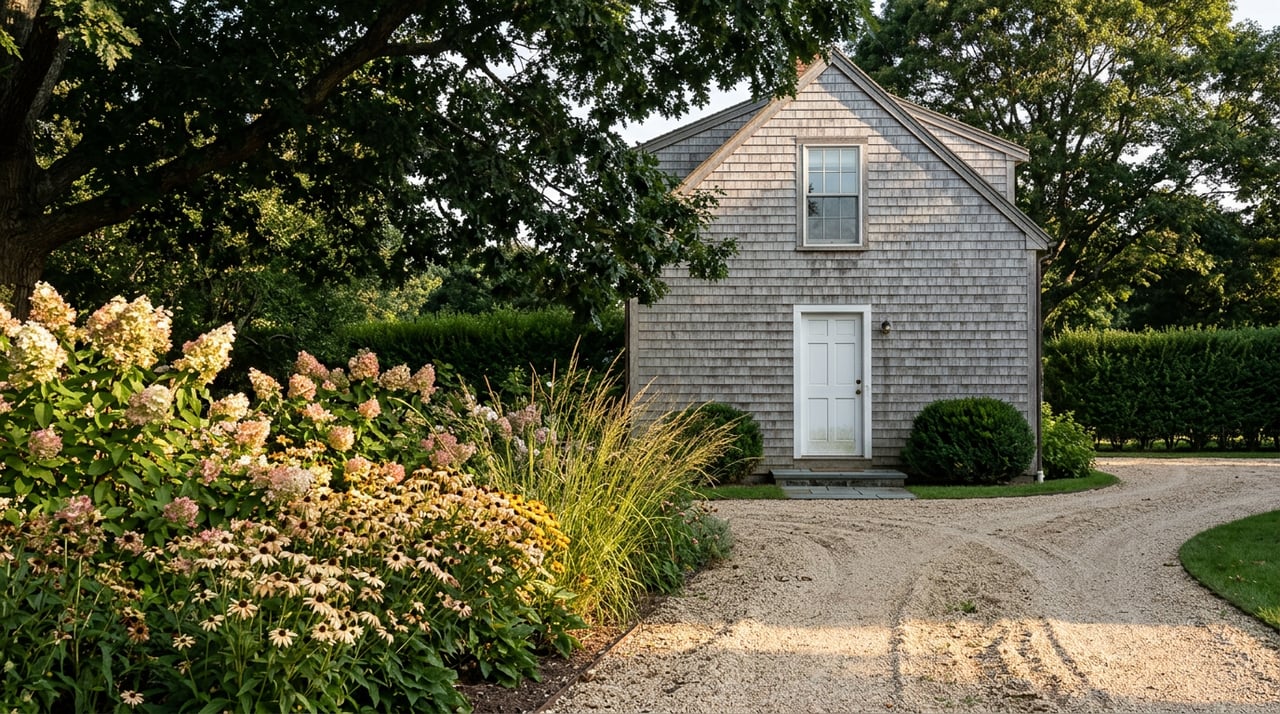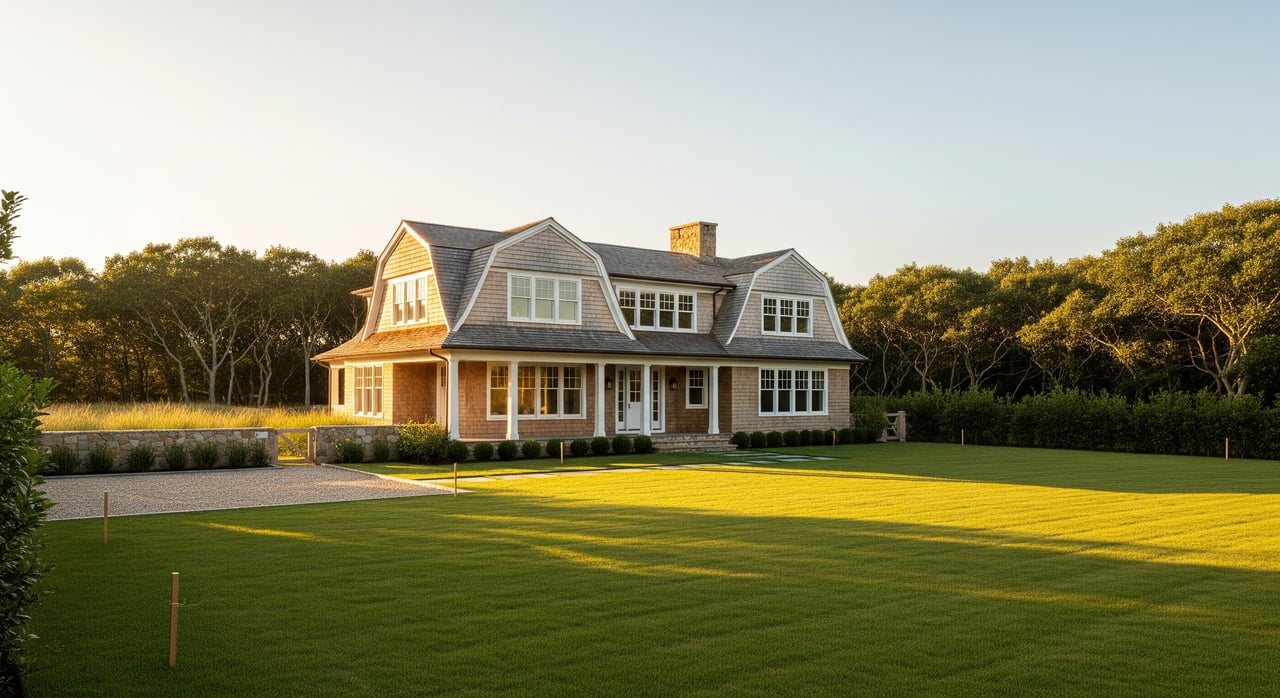
You have a lot of choice in Wainscott, but not every parcel lets you build the same way. What you can clear, where you can expand, and how much lot coverage you can add all depend on local rules and the land around you. If you are comparing properties in 11975, understanding reserve adjacency, clearing limits, and coverage will save you time and money. This guide explains the key concepts, what to check south versus north of Montauk Highway, and how to run smart due diligence before you bid. Let’s dive in.
How Wainscott rules work
Town control
The Town of East Hampton sets zoning districts, setbacks, floor area ratio, lot coverage, and tree and vegetation clearing rules. Town boards and officials issue permits, review site plans, and handle variances. Always start with the Town zoning code, the official zoning map, and a conversation with the building and conservation offices for parcel‑specific guidance.
County, state, and federal layers
Suffolk County Department of Health reviews septic systems and is often the limiting factor on bedrooms and total build size on non‑sewered lots. New York State agencies oversee coastal and wetland areas and agricultural districts, which can affect permits and buffers. FEMA flood maps define coastal flood zones that may require elevation and add construction costs for some south‑of‑highway parcels.
Agricultural reserve adjacency
What reserve adjacency means
In Wainscott, many homes sit next to working farmland or within influence areas of Agricultural Districts. That can mean added buffers or landscaping requirements to protect farm operations. Neighboring land may also carry conservation or agricultural easements that limit future development and keep the landscape open.
Buyer impacts to expect
Being near active farmland usually does not prohibit improvements, but you should plan for buffers, screens, and practical design constraints. You should also expect normal farm activity like equipment noise or seasonal odors, which are protected by right‑to‑farm policies. On the positive side, nearby conservation easements can preserve views and limit new building around you.
How to verify on a parcel
- Review the Town zoning map and any local overlays that address reserve or conservation areas.
- Check Agricultural District status through state records and ask about right‑to‑farm notices or disclosures.
- Search county deed records for conservation or agricultural easements that affect the subject or neighboring lots.
- Request recent surveys and aerials that show current field edges, hedgerows, and buffers.
Clearing and tree removal basics
What clearing percentage means
Clearing limits control how much vegetation you can remove from a lot. Town codes often set a maximum percentage of a site that can be cleared or require a permit and mitigation if you exceed a threshold. These rules protect habitat, reduce erosion, and manage stormwater, which matters across Wainscott’s coastal and rural areas.
Steps before you clear
- Confirm if the property is within a vegetation protection overlay or a wetland buffer. These areas often require permits for any clearing.
- Ask the Town conservation or wetlands office whether a tree removal permit is needed based on trunk size, number of trees, or clearing area.
- Check for seasonal considerations, such as nesting windows, that can limit timing.
- Look for past clearing permits or mitigation obligations on file that could affect future approvals.
Practical tips to avoid delays
Get a current boundary survey and a tree inventory from a qualified arborist. Use these to sketch a realistic building envelope before you design. If you plan a pool or large patio, discuss mitigation plantings or reforestation options with the conservation office early so you know what is feasible and what it may cost.
Lot coverage vs impervious surface
Key definitions
Lot coverage usually measures the footprint of structures like the main house, garage, and accessory buildings. Impervious surface is broader and can include roofs, driveways, patios, pool decks, and other hard surfaces that do not absorb water. Some districts limit both, so you need to know how each is defined for your zoning.
Why it shapes your design
Coverage caps set the outer limits of your building footprint. Impervious limits can restrict the size of patios, motor courts, and decks or require engineered drainage solutions. Pools may count differently than structures, and materials like pervious pavers may be credited, depending on Town definitions.
How to calculate your room to grow
Pull the zoning district and the Town’s schedule for that district to confirm the maximum lot coverage and any impervious limit. Overlay your survey to calculate existing coverage, then map potential additions like a pool, pool house, or expanded patio. Coordinate early with the Health Department on septic setbacks, since the septic layout often reduces the practical build area more than zoning alone.
North vs south of Montauk Highway
South of the highway
Ocean‑side parcels are more likely to sit in coastal zone overlays, coastal erosion hazard areas, or tidal wetland buffers. Expect extra permitting steps, possible FEMA elevation requirements, and tighter controls on clearing and coverage to protect dunes and shorelines. These layers can lengthen timelines and add design and construction cost.
North of the highway
Inland parcels tend to be more residential or agricultural in character and may allow more flexible clearing and coverage, subject to Town rules. The biggest constraint is often septic suitability and required setbacks. Soils and groundwater conditions vary, which makes early Health Department input critical.
What it means for your timeline
South‑of‑highway projects can take longer due to coastal reviews and flood design. North‑of‑highway plans often hinge on septic approvals and any reserve adjacency buffers. In both areas, starting with a survey, zoning pull, and septic file review will help you set a realistic schedule and budget.
Step‑by‑step due diligence
Follow this sequence when you are comparing Wainscott parcels:
- Zoning and overlays
- Confirm zoning district, lot coverage, FAR, height, and setbacks.
- Note any coastal, wetland, or vegetation overlays.
- Survey and history
- Order a current boundary and topographic survey from a NYS licensed surveyor.
- Pull prior permits, variances, or mitigation agreements.
- Septic and soils
- Request the Suffolk County Health Department file for the property.
- Confirm bedroom count approvals, septic system location, and setbacks.
- Wetlands and coastal
- If near the shoreline or mapped wetlands, coordinate with Town and state offices.
- Order a wetland delineation if mapping is close or unclear.
- Clearing and trees
- Obtain a tree inventory and canopy map.
- Ask the conservation office about clearing thresholds, permits, and mitigation.
- Coverage and impervious
- Calculate existing structural and impervious coverage using the survey.
- Test fit proposed improvements and identify any need for variances or drainage plans.
Questions to ask before you bid
- Has the property been in an Agricultural District or next to active farmland? Are there right‑to‑farm notices or agricultural easements?
- What is the current lot coverage and impervious percentage? Are there as‑builts to verify?
- Has any tree removal been permitted in the last 5 to 10 years? Is mitigation outstanding?
- Are there recorded easements, covenants, or conservation restrictions on the property or next door?
- What is the FEMA flood zone and base flood elevation, if applicable? Any history of flood insurance claims?
- Did nearby projects require variances for coverage, clearing, or setbacks? That can indicate how rules are interpreted locally.
Budget and timeline planning
Set aside budget for surveys, septic design and tests, arborist work, engineering for drainage, and possible mitigation plantings. If your parcel touches coastal or wetland buffers, plan for additional consulting, extra review time, and potential elevation or floodproofing costs. Variances can extend timelines, so design within code where possible and reserve time for board calendars if you plan an ask above limits.
How to think about value
When you compare two listings, do not look only at the acreage or address. Focus on the practical buildable envelope after setbacks, septic, wetlands, clearing, and coverage are applied. A slightly smaller lot with fewer constraints can be worth more than a larger site with heavy buffers, steep slopes, or flood limits.
Design moves that help
- Use pervious or permeable materials where allowed to reduce impervious percentages.
- Cluster hardscape and structures to keep clearance compact and preserve canopy.
- Align the house and pool to avoid septic fields and required buffers.
- Consider landscape screening to meet agricultural adjacency buffers while protecting views.
Working with a local steward
The quickest path to clarity is a coordinated check with the Town, Health Department, and, if needed, coastal and agricultural contacts. A team that knows Wainscott can read surveys, spot constraints, and propose a compliant plan before you spend on full design. When you are ready to compare parcels or map a renovation, connect with Bill Williams for a neighborhood‑level review and a plan to navigate approvals.
FAQs
What is agricultural reserve adjacency in Wainscott?
- It means your parcel sits next to active farmland or within an Agricultural District influence area, which can add buffers, right‑to‑farm notices, and nearby easements that preserve rural character.
How do clearing limits affect my project in 11975?
- Clearing rules control how much vegetation you can remove and often require permits or mitigation above thresholds, which shapes your building envelope and timing.
Is lot coverage the same as impervious surface in East Hampton?
- Not always; lot coverage usually counts building footprints while impervious surface also includes driveways, patios, and pool decks, so you must check both definitions for your zoning.
What should I check first on a south‑of‑highway parcel?
- Confirm coastal overlays, flood zone requirements, and any tidal wetland buffers, since these can drive elevation, design, and permit timelines.
How does the Health Department impact bedroom count?
- Septic approvals and setbacks often set the maximum bedroom count and can limit total build size even if zoning appears to allow more.
Which professionals should I hire early in Wainscott?
- Start with a licensed surveyor, an architect familiar with East Hampton, and, as needed, an arborist, civil engineer, and wetlands or coastal consultant to validate feasibility.
-
Wainscott real estate, Hamptons zoning regulations, Lot coverage limits, Agricultural reserve adjacency, Coastal and wetland buffers, East Hampton building permits, Septic system regulations, Property due diligence, Montauk Highway guidelines, Permitting processes in the Hamptons,
- #WainscottRealEstate #HamptonsLiving #EastHamptonZoning #AgriculturalEasements #CoastalRegulations #PropertyDueDiligence #MontaukHighway #SepticSystem #BuildingPermits #HamptonsRealEstate