If you want to rent out your Southampton home this summer, timing matters more than many owners realize. Between local permit rules, safety checks, septic planning, and tax recordkeeping, a rushed setup can create headaches right when demand picks up. The good news is that with the right checklist and enough lead time, you can get your property ready in a way that protects both your guests and your investment. Let’s dive in.
Start With The Right Local Rules
Before you book guests, confirm which municipality governs your property. In the Town of Southampton, rental rules apply outside incorporated villages, while Southampton Village has its own seasonal-use rental rules and registration process. That distinction matters because the exact requirements depend on your property’s location, as outlined in the Town code and the Southampton Village seasonal rental chapter.
If your home is in the Town of Southampton, you need a rental permit to rent the property. The town’s current rental FAQ states that the minimum stay is 14 days, permits are valid for two years, and rentals shorter than 14 days are treated as transient rentals and are not allowed.
Just as important, the town says advertising, listing, or showing a rental before the permit is issued can trigger violations. If you are hoping to capture summer demand, that means your prep work needs to start early, not once the season is already underway.
Apply Early For Your Permit
A complete application is the fastest path to approval. According to the town’s rental permit checklist, you may need floor plans showing bedroom sizes and detector locations, a survey or site plan with parking access, certificates of occupancy or compliance, smoke and carbon monoxide affidavits, and a refuse-removal affidavit.
The town notes in its FAQ that a complete, issue-free application usually takes about 1 to 3 weeks during much of the year and 2 to 4 weeks during the busy summer season. That makes a spring application window a smart move if you want to be renter-ready by early summer.
If you are using the certified route, a licensed architect or engineer can provide the inspection and certification. For owners with a tight timeline or a property that may need extra review, that step can help organize the process before peak demand arrives.
Match The Home To Code Requirements
One of the most important parts of summer prep is making sure the home matches its legal approvals. Under the Town code, the rental must match the certificate of occupancy, be used by one family, follow bedroom-size occupancy limits, and have no more than two bedrooms in the basement.
Parking also matters more than some owners expect. The code limits overnight parking to four cars between 1:00 a.m. and 6:00 a.m., and the town may add site-specific parking or screening conditions to a permit. If your driveway layout is tight or your property often hosts multiple vehicles, it is worth planning guest instructions well in advance.
This is where practical setup supports compliance. Clear house rules, simple arrival directions, and written parking guidance can help avoid avoidable issues once guests are in place.
Focus On Safety Inside The Home
Your safety checklist should go beyond a quick walkthrough. The town’s permit checklist calls for smoke detectors in every bedroom and in common areas on each floor, carbon monoxide detectors within 15 feet of bedrooms, GFCI outlets near water, unobstructed egress, labeled electrical panels, and functioning fire extinguishers.
If you have a finished lower level, basement egress is another item to review carefully. The town also expects below-grade spaces and accessory areas to be properly permitted and in good repair, so this is not the time to rely on informal setups or unfinished punch-list items.
For guests, safety information should be easy to find. A simple welcome sheet with emergency contacts, detector and alarm instructions, and basic home systems information can make the stay smoother while reinforcing that the property is professionally managed.
Get Pool Areas Ready
If your Southampton rental has a pool, your prep list needs to be even more detailed. The town checklist requires doors that lead directly to the pool to have audible alarms, gates to be self-closing and self-latching, and pool enclosures to be permanent and at least 4 feet high. Temporary barriers are not allowed except during construction, according to the town checklist.
Pool rules for guests are also worth setting in writing. While that is more of an operational best practice than a code item, it aligns with the town’s focus on safety and can help reduce confusion during the busiest weeks of the season.
Before summer starts, confirm that gates, latches, alarms, and surrounding surfaces are all functioning as intended. Small issues are easier to fix before renters arrive than during a turnover window.
Improve Curb Appeal And Exterior Readiness
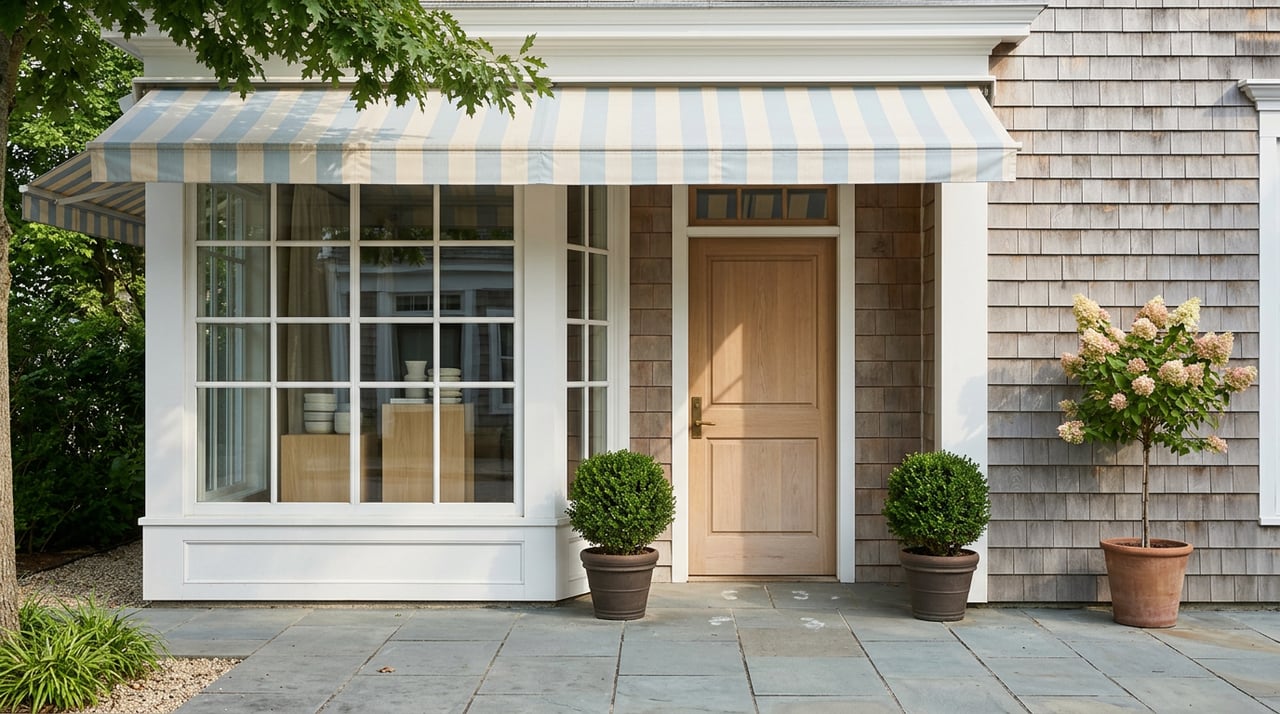
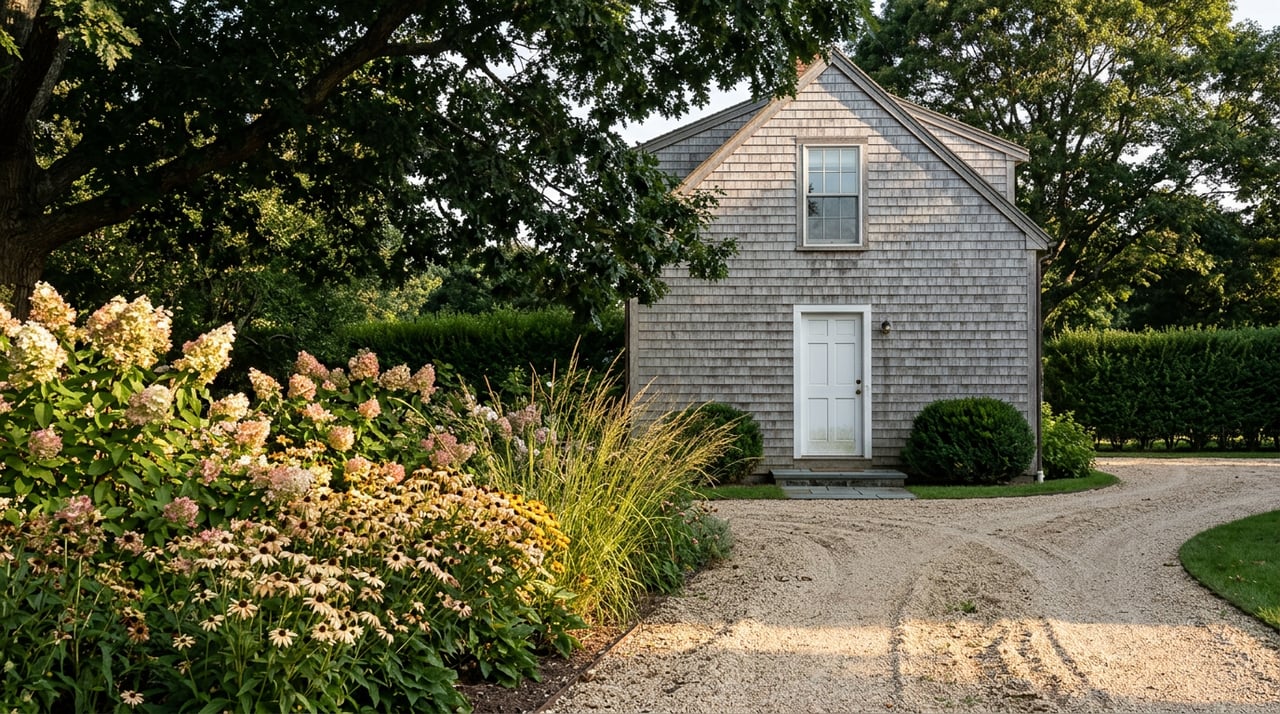
Summer renters notice the outside of a home before they experience anything else. Town requirements also make exterior upkeep part of the compliance conversation. The permit checklist calls for lawns and shrubs to be maintained, debris to be stored out of view, property numbers to be visible from the street, and structures and accessory structures to be properly permitted and in good repair.
The town code also prohibits dumpsters in the front yard or right-of-way. If you are doing spring improvements, plan the cleanup schedule so the property looks polished by the time inspections, photography, or guest arrivals begin.
For many Southampton owners, this is also the right time to schedule landscaping refreshes, exterior cleaning, and any small repairs that could affect the guest experience. A clean, orderly property supports better first impressions and smoother permit review.
Don’t Overlook Septic And Water Systems
In Southampton, site systems deserve special attention before summer occupancy increases. The town notes that nearly every home uses a septic tank or cesspool, and regular pumping is necessary because poorly maintained systems can leak contaminants into groundwater, according to the town’s water quality protection page.
If your property has a private well, Suffolk County says the only way to know water quality is to test it. The county’s programs can analyze several categories of contaminants, which makes well testing a useful part of pre-season planning, especially if the home has not been occupied regularly.
If your home uses an innovative or alternative onsite wastewater system, Suffolk County requires an active operation-and-maintenance contract with a licensed provider, along with annual maintenance and records, as described in the county’s IA OWTS standards. For owners planning upgrades, the town also maintains an IA OWTS rebate program for qualifying projects.
Create A Clean Trash Plan
Refuse removal is not just a housekeeping issue. It is part of the permit process. The town requires a refuse-removal plan, either through a weekly pickup contract with proof of payment by the tenant or an owner affidavit promising timely removal, according to the rental permit checklist.
This is one area where clear communication with renters can prevent problems quickly. Written trash-day instructions, bin locations, and pickup expectations help protect the property’s appearance and reduce neighbor complaints.
For peak summer weeks, make sure your plan reflects actual guest turnover volume. Overflowing bins after a holiday weekend are never a good start to a stay.
Prepare For Tax And Recordkeeping Tasks
Getting rent-ready also means understanding the tax side of the transaction. Suffolk County’s hotel and motel occupancy tax guidance states that a 5.5% occupancy tax applies to short-term lodging under 30 days, including residences and tourist homes. Operators must register within 10 days of the first rental and file quarterly.
Separate from the county tax, New York State and local sales tax may also apply to short-term rental occupancy, effective March 1, 2025, under the state’s short-term rental tax guidance. The state guidance also notes that certain charges tied to occupancy, such as cleaning or pet fees, may be taxable.
If a booking platform handles collection, keep the booking-service certificate or public collection agreement in your records. If not, the operator remains responsible for registration, filing, and documentation. In practice, it is wise to treat county occupancy tax and state or local sales tax as separate compliance tracks.
Build A Simple Summer Readiness Timeline
The easiest way to reduce stress is to work backward from your target occupancy date. Because summer permit processing can slow to 2 to 4 weeks in peak season, owners often benefit from scheduling key vendors well ahead of time.
A practical pre-season checklist may include:
- Permit application and code-compliance review
- Architect or engineer certification, if needed
- Septic pumping or wastewater system service
- Well water testing, if applicable
- HVAC service
- Landscaping and exterior cleanup
- Deep cleaning and turnover prep
- House rules and guest information sheet
- Tax registration and recordkeeping setup
When these items are handled early, you give yourself more flexibility to correct issues before they affect bookings.
Work With A Local Resource
Preparing a Southampton home for summer renters is about more than making it look good online. It is about aligning the property, paperwork, and guest experience so your rental runs smoothly during the busiest stretch of the year.
If you want help positioning a rental, planning improvements, or understanding how your property fits into the Southampton summer market, working with a local broker who understands both demand and local process can save time and protect value. If you are getting your home ready for the season, Bill Williams offers practical guidance across Hamptons sales, rentals, property management, and concierge staging.
FAQs
Do I need a permit to rent out a home in Southampton?
- Yes. In the Town of Southampton, any home being rented requires a rental permit, according to the town’s rental FAQ.
How early should I start getting my Southampton rental ready for summer?
- Start at least several weeks before your first planned occupancy, since complete applications can take 1 to 3 weeks in much of the year and 2 to 4 weeks during the summer season.
Can I advertise my Southampton rental before the permit is issued?
- No. The town says advertising, listing, or showing a property before a permit exists can trigger violations.
What safety items are checked for a Southampton rental permit?
- Key items include smoke detectors, carbon monoxide detectors, egress, electrical safety features, fire extinguishers, pool safety measures, parking compliance, refuse planning, and exterior condition.
What taxes may apply to a Southampton summer rental?
- Suffolk County occupancy tax may apply to stays under 30 days, and New York State and local sales tax may also apply depending on the rental and how the booking is handled.
Do Southampton rentals need septic or well maintenance before summer?
- Many properties in Southampton rely on septic systems or cesspools, and private well quality can only be confirmed through testing, so both should be part of your pre-season planning when applicable.